
In recent years, the luxury brand reselling market has gained remarkable traction, transforming how consumers approach high-end fashion. With the rise of digital platforms and a growing appetite for sustainable shopping, resellers have carved out a significant niche. This article delves into the dynamics of luxury brand reselling, examining its impact on the fashion industry, consumer behavior, and the future of retail.
Understanding the Luxury Brand Reselling Market
The luxury brand reselling market refers to the buying and selling of high-end fashion items, often through online platforms. According to a report by Bain & Company, the global second-hand luxury market was valued at approximately $33 billion in 2021, a number expected to double by 2025. This surge is attributed to several factors, including the increasing popularity of vintage items, the desire for sustainable consumption, and the accessibility provided by online marketplaces.
Resellers often curate collections of sought-after items, including designer handbags, shoes, and apparel, which can fetch prices that reflect their rarity and desirability. Platforms such as The RealReal and Poshmark have become go-to destinations for consumers looking to buy or sell pre-owned luxury goods, further legitimizing the resale market.
The Role of Technology in Reselling
Technology has played a pivotal role in the evolution of luxury brand reselling. Online platforms not only facilitate transactions but also provide tools for authentication, ensuring buyers that they are purchasing genuine products. For instance, many reselling platforms employ experts to verify the authenticity of items before they are sold, which builds trust and enhances the overall shopping experience.
Moreover, social media has become a powerful marketing tool for resellers. Influencers and fashion enthusiasts showcase their finds on platforms like Instagram, driving interest and engagement. This creates a community around luxury reselling, where followers can discover exclusive items and trends, ultimately boosting sales for resellers.
The Impact on Consumer Behavior
The shift towards luxury brand reselling has fundamentally altered consumer behavior. More shoppers are opting for second-hand luxury items, viewing them as a way to access high-quality fashion at a more affordable price. A survey conducted by ThredUp revealed that 43% of consumers have purchased second-hand items in the last year, with many citing sustainability as a key motivator.
Furthermore, buying pre-owned luxury goods allows consumers to partake in exclusive brands without the hefty price tag of new items. This trend is particularly appealing to younger shoppers, such as Millennials and Gen Z, who prioritize experiences and sustainability over traditional notions of luxury.
Challenges and Considerations for Resellers
While the luxury brand reselling market offers numerous opportunities, it also presents challenges. Resellers must navigate the complexities of pricing, ensuring that their items are competitively priced while still generating profit. Additionally, maintaining the quality and authenticity of items is crucial for building a reputable brand.
Moreover, the legal landscape surrounding reselling can be intricate. Resellers must be aware of copyright laws and trademark regulations to avoid potential legal issues. Establishing clear policies regarding returns, refunds, and customer service can also impact the success of a reseller’s business.
Future Trends in Luxury Brand Reselling
As we look to the future, several trends are likely to shape the luxury brand reselling market. The integration of artificial intelligence and machine learning can enhance the buying and selling experience, offering personalized recommendations and streamlined processes. Additionally, as sustainability continues to influence consumer choices, the demand for pre-owned luxury items is expected to rise.
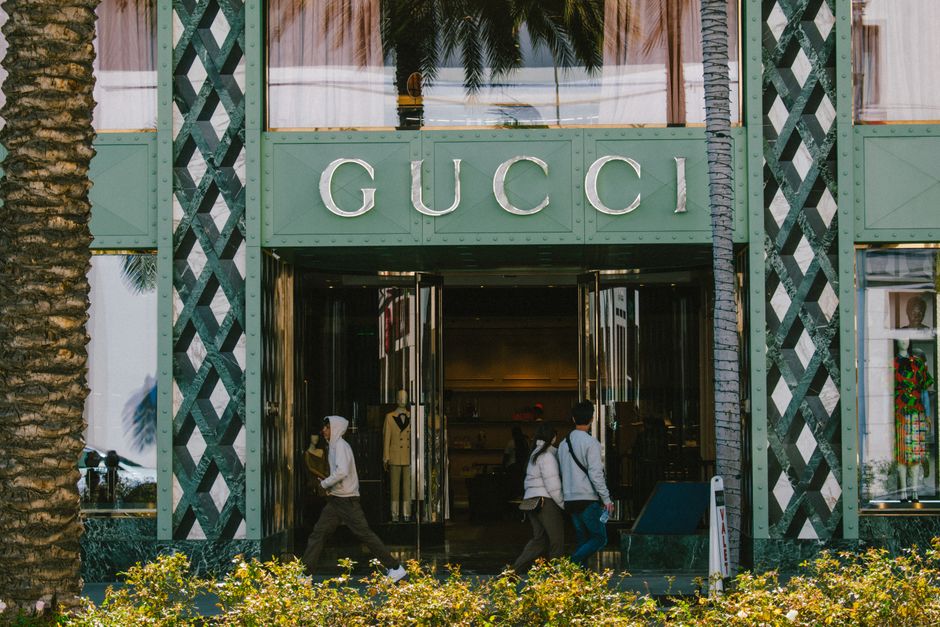
Moreover, collaborations between luxury brands and resale platforms are becoming more common. Major fashion houses are beginning to embrace the resale model, recognizing its potential to reach a broader audience and promote sustainable practices. For example, Gucci has launched initiatives to encourage the resale of its products, which could signify a broader shift within the industry.
In conclusion, the luxury brand reselling market is not just a trend; it represents a fundamental shift in how consumers engage with fashion. As the market continues to evolve, resellers will play a crucial role in bridging the gap between luxury and sustainability, offering consumers a new way to experience high-end fashion while promoting responsible consumption. For those interested in exploring this dynamic sector, becoming a luxury brand reseller could be a rewarding venture that aligns with current consumer values.
