
The luxury fashion industry has always been a playground for the elite, but in recent years, a new player has emerged: the luxury brand reseller. This shift is transforming the way consumers access high-end products, creating opportunities for both buyers and sellers alike. In this article, we will dive deep into the world of luxury brand reselling, exploring its growth, impact on the fashion industry, and what it means for consumers.
Understanding the Luxury Resale Market
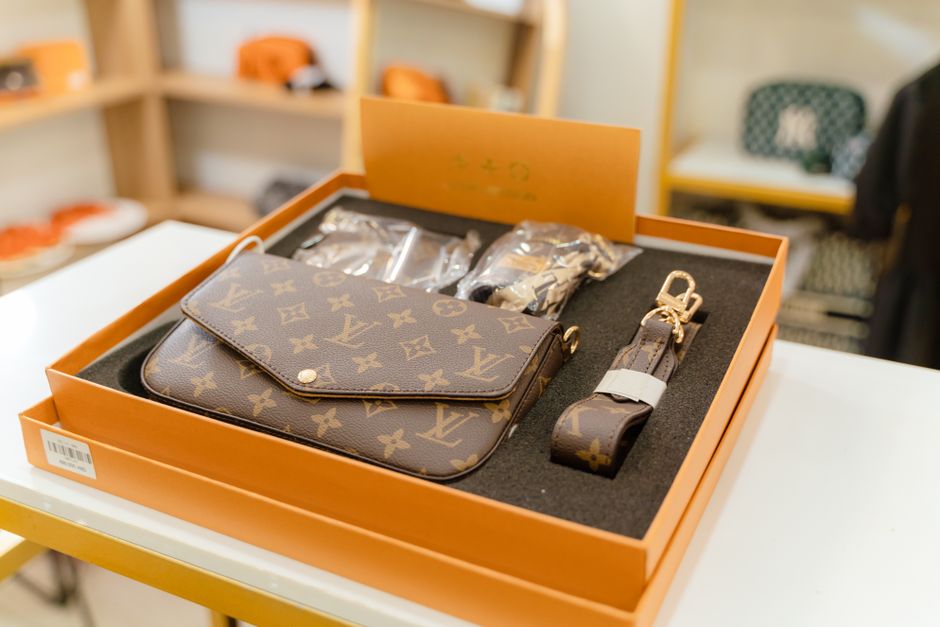
The luxury resale market has exploded in popularity, with a projected value of $77 billion by 2025. This growth is driven by various factors, including sustainability concerns and the desire for unique fashion pieces. Resellers are capitalizing on this trend, offering an alternative to traditional retail methods.
As consumers become more aware of the environmental impact of fast fashion, many are turning to pre-owned luxury items. This not only reduces waste but also promotes a circular economy. Resellers, therefore, play a crucial role in this movement, providing a platform for individuals to buy and sell gently used luxury goods.
Moreover, platforms such as Vestiaire Collective and The RealReal have made it easier than ever to access luxury items at a fraction of their original price. These online marketplaces authenticate products, ensuring buyers receive genuine items, which is essential in a market often plagued by counterfeit goods.
The Role of Technology in Reselling
Technology is at the forefront of the luxury resale revolution. With the rise of e-commerce, resellers can reach a global audience, expanding their business beyond local markets. Social media platforms, especially Instagram, have become vital tools for resellers to showcase their inventory and connect with potential buyers.
For instance, many resellers utilize Instagram to create visually appealing feeds that highlight their luxury items. This strategy not only attracts followers but also fosters a sense of community among fashion enthusiasts. As a result, resellers can build a loyal customer base, relying on social proof and engagement to drive sales.
Furthermore, advancements in artificial intelligence and machine learning are streamlining the authentication process. Tools that analyze product images and descriptions help identify counterfeits, giving buyers peace of mind when purchasing high-end goods from resellers.
Challenges Faced by Resellers
Despite the burgeoning market, luxury brand resellers face several challenges. One significant hurdle is the competition within the industry. With numerous resellers vying for attention, standing out can be difficult. Many are focusing on niche markets or specific brands to differentiate themselves.
Additionally, the authenticity of luxury items remains a critical concern. While platforms strive to authenticate products, resellers must also develop their expertise to ensure they are selling genuine items. Building a reputation for quality and trustworthiness is essential for long-term success.
Lastly, fluctuating fashion trends can impact the resale value of luxury items. Resellers must stay informed about market trends and consumer preferences to make smart purchasing decisions and maintain inventory that appeals to buyers.
Consumer Benefits of Luxury Resale
The benefits of purchasing from luxury brand resellers are manifold. Firstly, consumers can access high-quality items at a reduced price, allowing them to own pieces from coveted brands without breaking the bank. This democratization of luxury fashion is reshaping consumer behavior.
Moreover, buying pre-owned items contributes to sustainability, aligning with the values of environmentally conscious consumers. By choosing to shop from resellers, buyers support a circular economy that reduces waste and encourages a more sustainable approach to fashion.
For those looking for unique items, resellers often curate collections that feature rare finds or discontinued pieces. This offers consumers a chance to stand out in a world where fast fashion dominates, providing a sense of individuality in their style choices.
Future Trends in Luxury Reselling
As the luxury resale market continues to grow, several trends are likely to shape its future. One significant trend is the increasing collaboration between luxury brands and resale platforms. Major fashion houses are starting to acknowledge the value of the resale market, launching their own initiatives to promote sustainability and extend the lifecycle of their products.
Additionally, we may see the rise of more personalized shopping experiences. Resellers could leverage data analytics to tailor recommendations to individual consumers, enhancing customer satisfaction and loyalty.
Finally, the integration of blockchain technology may revolutionize the authentication process, providing a secure and transparent method for verifying the authenticity of luxury goods. This could further instill confidence in buyers and expand the market even more.
Conclusion
The luxury brand reseller market represents a significant shift in the fashion industry, offering consumers greater access to high-end products while promoting sustainability. As technology advances and consumer preferences evolve, resellers will continue to play a pivotal role in shaping the future of luxury fashion. By understanding the landscape and adapting to trends, both buyers and sellers can navigate this exciting new era. For those interested in becoming a part of this growing movement, exploring platforms and resources related to luxury brand reseller can be a great start.
