
The construction industry is a complex and multifaceted field that encompasses various stages, including planning, building, and, at times, demolition. While many people are familiar with the building process, the role of a demolition contractor is often overlooked. In this article, we will delve into the responsibilities, challenges, and significance of demolition contractors in modern construction projects.
The Importance of Demolition Contractors
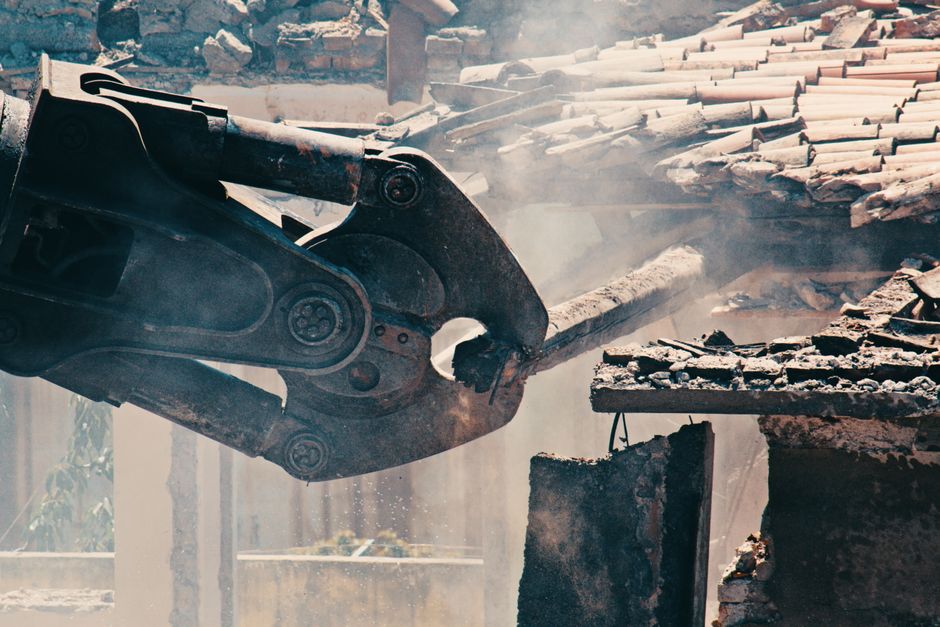
Demolition contractors play a crucial role in the construction lifecycle. They are responsible for safely dismantling structures that are no longer needed or are being replaced. This process is not as simple as it may seem; it requires a thorough understanding of engineering principles, safety protocols, and environmental regulations. According to the National Demolition Association, the demolition industry generates over $7 billion annually in the United States alone, highlighting its economic significance.
Furthermore, demolition contractors ensure that the site is cleared efficiently, allowing new construction to begin promptly. They manage the removal of debris and hazardous materials while adhering to local regulations and safety standards. This attention to detail is essential for maintaining the integrity of the surrounding environment and protecting public health.
Key Responsibilities of Demolition Contractors
Demolition contractors have a wide range of responsibilities that extend beyond merely tearing down buildings. Their tasks can be broken down into several key areas:
1. **Site Assessment**: Before any demolition work begins, contractors conduct a comprehensive site assessment. This includes evaluating the structural integrity of the building, identifying hazardous materials such as asbestos, and planning the demolition strategy. A well-prepared demolition plan is crucial for minimizing risks and ensuring a smooth process.
2. **Obtaining Permits**: Demolition contractors must navigate the legal landscape by obtaining the necessary permits and approvals from local authorities. This step ensures that the demolition complies with zoning laws and safety regulations.
3. **Safety Management**: Safety is paramount in demolition work. Contractors implement rigorous safety protocols to protect their workers and the public. This includes providing proper training, using protective equipment, and ensuring the site is secured.
4. **Waste Management**: Effective waste management is another critical responsibility. Contractors must sort and dispose of debris responsibly, often recycling materials to reduce landfill waste. This not only helps the environment but can also reduce project costs.
5. **Final Inspection**: After the demolition is complete, a final inspection is conducted to ensure that the site is safe and ready for new construction. This step involves checking for any remaining hazardous materials and ensuring that all debris has been cleared.
Challenges Faced by Demolition Contractors
While the role of a demolition contractor is vital, it is not without its challenges. Some of the most common issues they face include:
1. **Regulatory Compliance**: Demolition contractors must stay updated on local and federal regulations. Non-compliance can result in fines, project delays, and even legal action.
2. **Hazardous Materials**: The presence of hazardous materials such as asbestos or lead requires specialized handling and disposal. Contractors must be trained in safe removal practices and often work with environmental specialists.
3. **Public Perception**: Demolition work can sometimes be met with resistance from the community. Contractors must communicate effectively with local residents and stakeholders to address concerns and explain the benefits of the project.
Choosing the Right Demolition Contractor
Selecting the right demolition contractor is crucial for the success of any construction project. Here are some tips for making an informed choice:
1. **Experience and Reputation**: Look for contractors with a solid track record in the industry. Check online reviews, ask for references, and verify their credentials.
2. **Insurance and Licensing**: Ensure that the contractor holds the necessary licenses and insurance to operate in your area. This protects you from liability in case of accidents or damages.
3. **Detailed Estimates**: Request detailed quotes from multiple contractors. A transparent estimate should include all costs associated with the demolition, including labor, equipment, and waste disposal.
4. **Communication**: Choose a contractor who communicates clearly and promptly. Effective communication is key to ensuring that the project runs smoothly and stays on schedule.
In conclusion, the role of a demolition contractor is essential in the construction industry. They not only facilitate the clearing of old structures but also ensure that the process is conducted safely and responsibly. For those considering a demolition project, working with a qualified demolition contractor can make all the difference in achieving a successful outcome.
