
Septic tanks are an essential component of residential wastewater management, particularly in rural areas where municipal sewage systems are not available. Proper maintenance and cleaning of these systems are crucial for ensuring their longevity and functionality. In this article, we will delve into the importance of septic tank cleaning, how often it should be done, and the steps involved in the process.
Understanding Septic Tanks
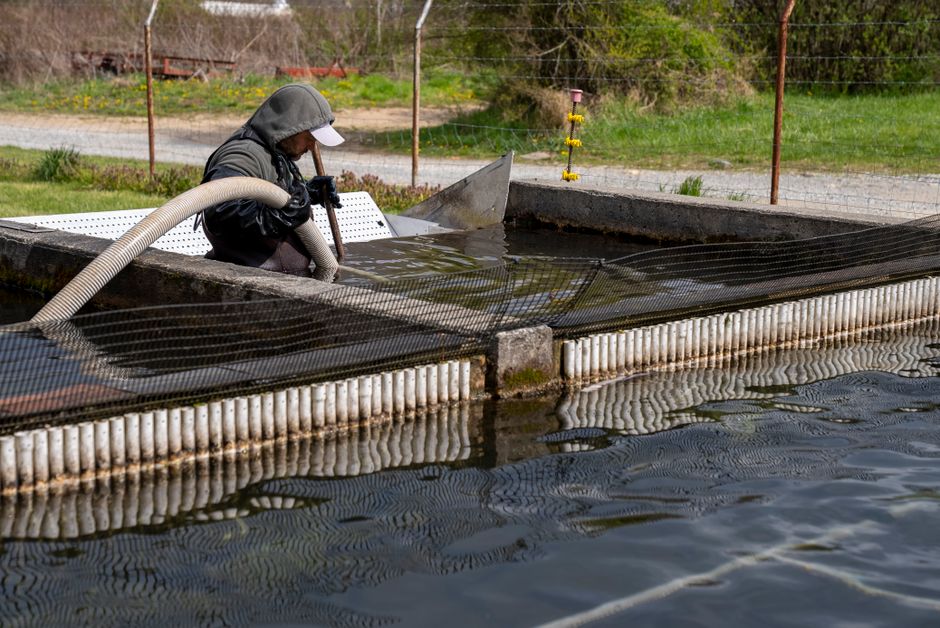
A septic tank is a large underground chamber designed to treat wastewater from a home. It typically consists of a tank that allows solids to settle at the bottom, while the liquid effluent is absorbed into the surrounding soil. Understanding how your septic system operates is the first step toward effective maintenance and cleaning.
Septic tanks rely on natural processes involving bacteria to break down waste. When these processes are disrupted due to neglect or improper use, problems can arise. Common issues include backups, foul odors, and environmental contamination. Therefore, regular cleaning and maintenance are vital.
Signs Your Septic Tank Needs Cleaning
Recognizing the signs that your septic tank needs cleaning is crucial for preventing serious issues. Typical indicators include slow drains, gurgling sounds in pipes, and unpleasant odors in or around your home. Additionally, if your lawn has unusually lush patches of grass over the septic area, it may be a sign of an overflowing tank.
According to the Environmental Protection Agency (EPA), homeowners should inspect their septic systems every 3 years and pump the tank every 3 to 5 years, depending on usage and household size. Regular monitoring can prevent costly repairs and extend the life of your septic system.
The Importance of Regular Septic Tank Cleaning
Regular septic tank cleaning is essential for maintaining the functionality of the system. When sludge and scum build up in the tank, it can lead to blockages and backups. This can not only cause inconvenience but also pose health risks due to the potential for sewage overflow.
Furthermore, neglecting septic tank cleaning can lead to more extensive damage, resulting in costly repairs or replacements. By investing in routine cleaning, homeowners can save money in the long run and ensure their septic systems operate efficiently.
Steps Involved in Septic Tank Cleaning
Cleaning a septic tank involves several steps that should be performed by a professional. First, a technician will locate the septic tank and remove the lid. Next, they will assess the level of sludge and scum. If it exceeds the recommended levels, the tank will be pumped out.
After pumping, the technician will inspect the tank for any signs of damage or wear. They may also check the outlet baffle and filter to ensure they are functioning properly. Finally, the tank will be sealed, and the area will be restored to its original state.
It is essential to hire a licensed and experienced professional for this task to minimize risks and ensure thorough cleaning. Regular septic maintenance can greatly enhance the longevity of your septic system.
Best Practices for Septic Tank Maintenance
In addition to regular cleaning, several best practices can help maintain your septic system. First, be mindful of what goes down your drains. Avoid flushing non-biodegradable items, chemicals, or grease, as these can disrupt the natural balance of bacteria in the tank.
Secondly, consider using septic-safe products for cleaning and personal care. These products are formulated to be gentle on septic systems and can help prolong their lifespan.
Lastly, maintain a regular inspection schedule and keep records of all maintenance activities. This will help you track the health of your septic system and identify any potential issues before they escalate.
Conclusion
In conclusion, septic tank cleaning is a critical aspect of home maintenance that should not be overlooked. By understanding how your septic system works, recognizing the signs of potential problems, and committing to regular cleaning and maintenance, you can ensure that your septic tank operates efficiently for years to come. Remember that investing in professional services not only protects your home but also contributes to environmental preservation.
