
When it comes to heavy machinery, excavators are among the most versatile and essential pieces of equipment used in construction, landscaping, and various industrial projects. However, purchasing an excavator can be a significant investment, and many contractors and businesses are turning to excavator rental services as a cost-effective alternative. This guide will provide you with all the information you need to make informed decisions about renting excavators, including the types available, costs, and tips for a successful rental experience.
Understanding Excavators
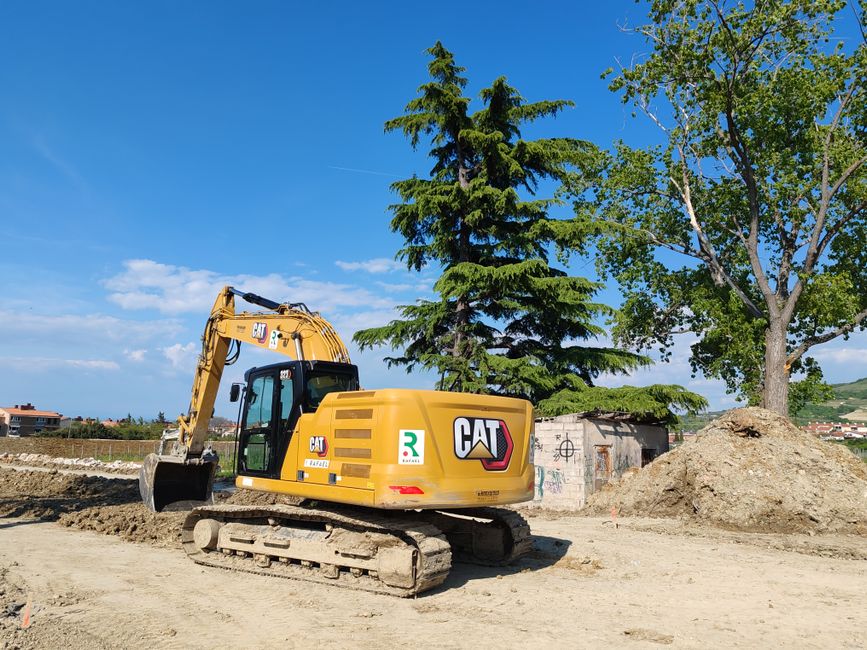
Excavators are heavy construction equipment that consist of a boom, dipper, bucket, and cab on a rotating platform. They are primarily used for digging, lifting, and transporting materials. The versatility of excavators allows them to be used in various applications, from digging foundations to landscaping and road construction.
There are several types of excavators, including mini excavators, standard excavators, and long-reach excavators. Each type serves different purposes and is suitable for specific job sites. Understanding the differences can help you choose the right excavator for your project.
Mini excavators are ideal for tight spaces and smaller jobs, while standard excavators are more powerful and suitable for larger projects. Long-reach excavators are designed for applications that require extended reach, such as dredging or deep excavation work.
The Benefits of Renting Excavators
Renting an excavator offers numerous benefits over purchasing one. First and foremost, renting allows you to save on capital expenses. Instead of investing a large sum of money in equipment that may only be used occasionally, you can pay a rental fee that aligns with your project timeline.
Another advantage is access to the latest technology and models. Rental companies often update their fleets regularly, ensuring you have access to modern and efficient equipment. This can enhance productivity and reduce downtime on your job site.
Additionally, renting eliminates the costs associated with maintenance, storage, and insurance. When you rent, these responsibilities typically fall on the rental company, allowing you to focus on your project without the added burden of equipment management.
Cost Factors in Excavator Rental
The cost of renting an excavator varies based on several factors, including the type of excavator, rental duration, and location. On average, you can expect to pay anywhere from $200 to $1,500 per day, depending on the size and capabilities of the machine.
For longer projects, many rental companies offer weekly and monthly rates that can provide additional savings. It’s essential to compare rates from different rental providers to ensure you get the best deal.
Other factors to consider include the availability of attachments, fuel costs, and potential delivery fees. Some rental companies may charge extra for additional attachments like buckets or augers, so be sure to factor in these costs when budgeting for your rental.
Tips for a Successful Excavator Rental
To ensure a smooth rental experience, keep the following tips in mind:
1. **Assess Your Needs**: Before renting, evaluate the specific requirements of your project. Determine the type of excavation work required and the specifications needed for the machine.
2. **Choose a Reputable Rental Company**: Research rental companies in your area and read reviews to find a provider known for excellent customer service and well-maintained equipment.
3. **Inspect the Equipment**: When picking up the excavator, inspect it for any signs of damage or wear. Ensure that all attachments and safety features are functioning correctly.
4. **Understand the Rental Agreement**: Read the rental contract carefully and ask questions about any terms or conditions you do not understand. Ensure you’re aware of liability clauses and insurance requirements.
5. **Plan for Training**: If you or your team are unfamiliar with operating an excavator, consider arranging for training. Many rental companies offer instruction on how to operate their equipment safely and effectively.
Conclusion
Renting an excavator can be a practical and economical choice for contractors and businesses looking to complete excavation projects without the hefty upfront investment. By understanding the different types of excavators, the benefits of renting, and the cost factors involved, you can make informed decisions that align with your project needs. Remember to choose a reputable rental company and plan accordingly for a successful rental experience. For those looking to explore options, check out excavator rental services that can meet your project requirements effectively.
