
In recent years, sustainable fashion has emerged as a vital movement within the textile and apparel industry. As consumers become more aware of the environmental and social impacts of their clothing choices, brands are responding with innovative approaches that prioritize sustainability. This article explores the key elements of sustainable fashion brands, their impact on the industry, and how consumers can make more responsible choices.
Understanding Sustainable Fashion
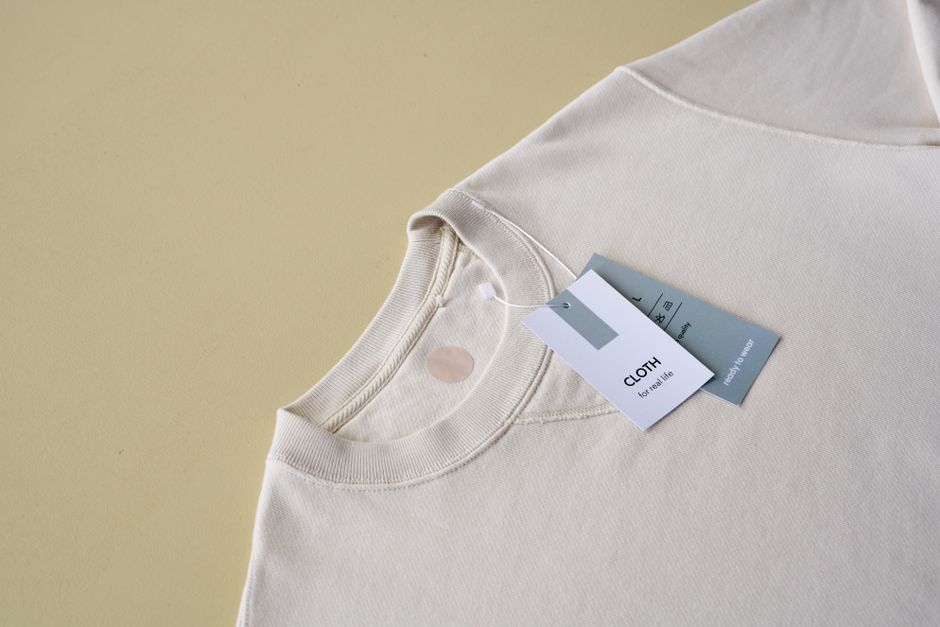
Sustainable fashion refers to clothing, shoes, and accessories that are produced with consideration for the environment and social responsibility. This involves a variety of practices, including the use of organic materials, ethical labor practices, and innovative manufacturing processes that reduce waste. The goal is to create a fashion system that is not only stylish but also beneficial for the planet.
According to a report by McKinsey & Company, the fashion industry accounts for about 10% of global carbon emissions. This staggering figure highlights the need for sustainable practices. Brands that embrace sustainability often focus on transparency, aiming to educate consumers about their sourcing and manufacturing processes.
The Importance of Ethical Sourcing
One of the cornerstones of sustainable fashion is ethical sourcing. Brands that prioritize this practice ensure that the materials used in their products are sourced responsibly. This includes opting for organic cotton, recycled fabrics, and materials that have a lower environmental impact.
For example, brands like Patagonia have been pioneers in ethical sourcing, using recycled materials in their products and advocating for environmental conservation. By choosing brands that commit to ethical sourcing, consumers can support practices that reduce harm to the environment and promote fair labor conditions.
Innovations in Sustainable Production
Innovation plays a crucial role in the evolution of sustainable fashion. Companies are increasingly adopting technologies that minimize waste and reduce resource consumption. Techniques such as 3D printing and digital fabric printing allow for more efficient use of materials, leading to less waste.
Furthermore, some brands are exploring circular fashion models, where products are designed for longevity and can be repaired, reused, or recycled at the end of their life cycle. This approach not only extends the life of garments but also reduces the demand for new materials. An example of this is the sustainable fashion brand that focuses on creating timeless pieces designed to last.
Consumer Responsibility and Choices
While brands play a significant role in promoting sustainability, consumers also hold power in shaping the industry. By making informed choices, individuals can influence market trends and encourage brands to adopt more sustainable practices.
Consumers should consider factors such as the brand’s production methods, material choices, and overall mission when purchasing clothing. Educating oneself on the impact of fast fashion can lead to more conscious buying habits, favoring brands that prioritize sustainability over those that prioritize rapid production and low costs.
The Future of Sustainable Fashion
As the movement towards sustainable fashion grows, it is becoming increasingly clear that this is not merely a trend but a necessary shift in the industry. With mounting evidence of climate change and environmental degradation, the demand for sustainable brands will likely continue to rise.
In conclusion, sustainable fashion represents a significant opportunity for both consumers and brands to create a positive impact on the environment. By supporting sustainable practices and making informed choices, we can all contribute to a more responsible fashion industry. Embracing this change not only benefits the planet but also fosters a more ethical fashion culture that values quality over quantity.
