
As the global population continues to rise, the demand for sustainable food production methods has never been more critical. Vertical farming technology is emerging as a revolutionary approach to agriculture, allowing for the cultivation of crops in stacked layers, often within controlled indoor environments. This innovative method not only maximizes space but also minimizes water usage and pesticide application. In this article, we will delve into the mechanics, benefits, challenges, and future of vertical farming technologies.
Understanding Vertical Farming
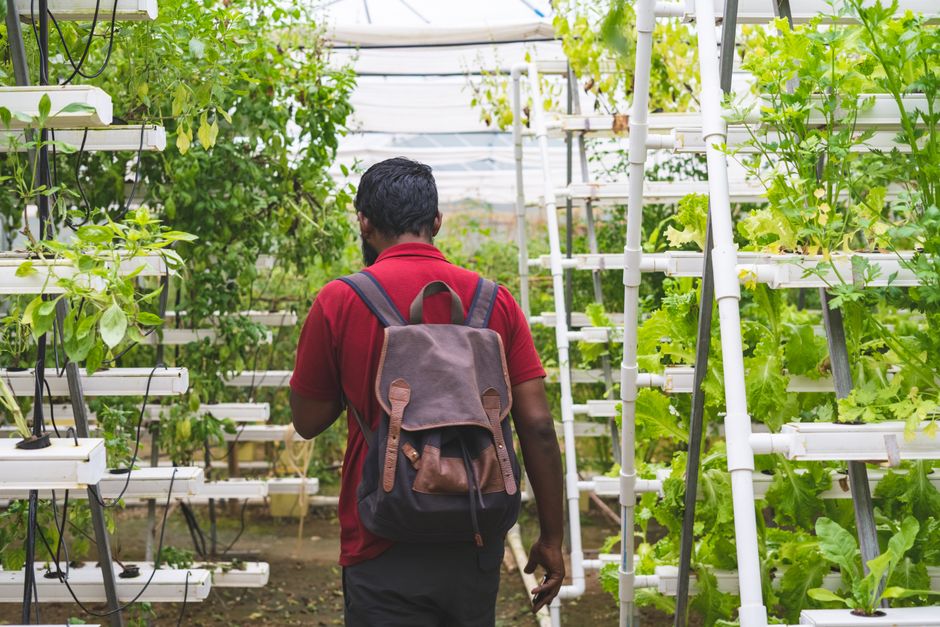
Vertical farming is a method of growing crops in vertically stacked layers or integrated into other structures, such as skyscrapers or warehouses. By leveraging technology such as hydroponics, aeroponics, and aquaponics, farmers can create efficient systems that produce food year-round. Hydroponics, for example, allows plants to grow in nutrient-rich water rather than soil, making it possible to cultivate in environments where traditional farming is impractical.
This technology is gaining traction in urban areas where land is scarce. According to a report by the Food and Agriculture Organization (FAO), urban agriculture could contribute significantly to food security in cities. Vertical farms can be located close to consumers, reducing transportation costs and carbon footprints.
Benefits of Vertical Farming
One of the most substantial benefits of vertical farming is the efficient use of space. Traditional farming requires vast areas of land, while vertical farms can produce the same yield in a fraction of the space. A single vertical farm can yield up to 100 times more produce per square foot than a conventional farm, according to industry studies. This efficiency is particularly important as urban populations continue to grow.
Additionally, vertical farming significantly reduces water usage. By utilizing closed-loop systems, vertical farms can use up to 90% less water than traditional farming methods. The controlled environment also means that crops are less susceptible to pests and diseases, reducing the need for harmful pesticides. This not only leads to healthier produce but also a more sustainable farming model.
Moreover, vertical farms can operate year-round, unaffected by seasonal changes or extreme weather conditions. This consistent production can lead to more stable food prices and availability, making it a vital solution for food security.
Challenges Facing Vertical Farming
Despite its many advantages, vertical farming is not without challenges. The initial capital investment required to set up a vertical farm can be substantial. High-tech equipment, climate control systems, and energy consumption all contribute to the costs, making it a less accessible option for some farmers.
Energy consumption is another concern. While vertical farming reduces water usage, the energy required for lighting and climate control can be significant. Many farms rely on LED lights for photosynthesis, which can drive up operational costs. Research is ongoing to explore renewable energy sources and energy-efficient technologies that could mitigate these concerns.
The Future of Vertical Farming
The future of vertical farming looks promising, with advancements in technology continually improving efficiency and reducing costs. Innovations such as artificial intelligence and machine learning are being integrated into farming practices, allowing for more precise control over growing conditions. This can lead to optimizations in plant growth rates and yields, making vertical farming an even more viable solution.
Moreover, as the demand for locally sourced and organic produce increases, vertical farms are well-positioned to meet these needs. Consumers are increasingly aware of the environmental impact of their food choices, and vertical farms can provide a sustainable alternative that appeals to eco-conscious shoppers.
Conclusion
Vertical farming technology is revolutionizing the way we think about food production. By maximizing space, reducing water usage, and minimizing pesticide reliance, it offers a sustainable solution to the challenges posed by traditional agriculture. While there are obstacles to overcome, the potential benefits of vertical farming make it a key player in the future of agriculture. As innovations continue to emerge, we can expect this technology to play an essential role in feeding the growing global population sustainably.
