
Scaffolding is an integral part of any construction project, providing the necessary support and safety for workers at various heights. However, purchasing scaffolding can be a significant financial burden, especially for small to medium-sized businesses. This is where scaffolding rental options come into play, offering a practical and cost-effective solution. In this guide, we will explore the various aspects of scaffolding rental, including its benefits, types, and key considerations for selecting the right provider.
Understanding Scaffolding Rental
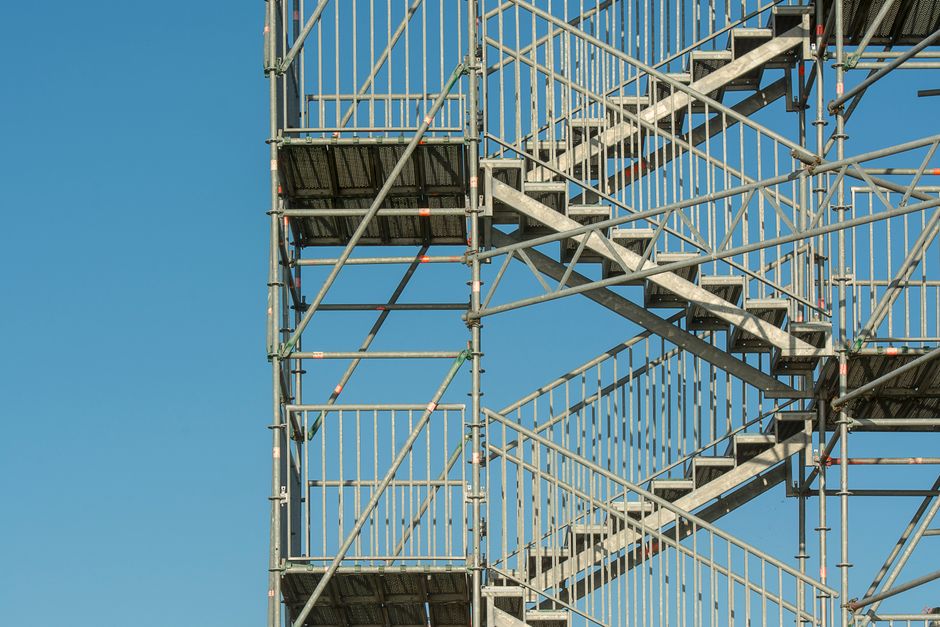
Scaffolding rental involves leasing scaffolding equipment for a specified period instead of purchasing it outright. This approach allows construction companies to access high-quality materials without the long-term commitment and financial strain of ownership. Additionally, rental agreements can be tailored to the specific needs of a project, providing flexibility in terms of duration and equipment type.
In recent years, the scaffolding rental market has seen significant growth, driven by the increasing number of construction projects and the demand for safety and efficiency on job sites. According to industry reports, the global scaffolding market is expected to reach $70 billion by 2026, reflecting a compound annual growth rate (CAGR) of around 6%.
Types of Scaffolding Available for Rent
There are several types of scaffolding available for rental, each designed for specific applications and project requirements. The most common types include:
- Frame Scaffolding: This is the most widely used type of scaffolding, consisting of vertical frames and horizontal cross braces. It is ideal for general construction work and can be quickly erected and dismantled.
- System Scaffolding: Known for its modular design, system scaffolding is versatile and can be adapted to various structures. It is often used in large-scale projects due to its stability and ease of assembly.
- Suspended Scaffolding: This type is used for work on tall buildings and structures, where the scaffolding is suspended from the roof or upper levels. It allows workers to access hard-to-reach areas safely.
- Rolling Scaffolding: Designed for mobility, rolling scaffolding can be easily moved from one location to another. This type is particularly useful for interior work or projects that require frequent repositioning.
Choosing the right type of scaffolding for your project is crucial in ensuring safety and efficiency. Assessing your specific needs, including project height, weight capacity, and duration, will help in making an informed decision.
Benefits of Renting Scaffolding
There are numerous advantages to opting for scaffolding rental instead of purchasing. These benefits include:
- Cost Savings: Renting scaffolding eliminates the need for a large upfront investment. This is especially beneficial for smaller contractors who may not have the capital to purchase expensive equipment.
- Maintenance and Storage: Rental companies typically handle maintenance and repairs, relieving contractors of these responsibilities. Additionally, renting eliminates the need for storage space for scaffolding when not in use.
- Access to Quality Equipment: Reputable rental companies provide well-maintained, high-quality scaffolding that meets safety standards. This ensures that workers have reliable equipment, reducing the risk of accidents.
Key Considerations When Choosing a Scaffolding Rental Provider
Selecting the right scaffolding rental provider is essential for ensuring a successful rental experience. Here are some key factors to consider:
- Reputation: Research potential providers and read customer reviews to gauge their reliability and service quality. A reputable company will have a proven track record of delivering quality scaffolding and excellent customer support.
- Safety Standards: Ensure that the rental company adheres to strict safety regulations and provides equipment that meets industry standards. This is critical for protecting workers and avoiding potential liabilities.
- Flexibility: Look for a provider that offers flexible rental terms, allowing you to adjust your rental agreement based on project needs. This can include options for short-term and long-term rentals.
- Delivery and Setup: Consider whether the rental company offers delivery and setup services. This can save time and effort, ensuring that scaffolding is erected correctly and safely.
Conclusion
In conclusion, scaffolding rental is a practical solution for construction companies looking to enhance their operations without the financial burden of purchasing equipment. By understanding the various types of scaffolding available, the benefits of renting, and how to choose the right provider, you can ensure that your construction projects run smoothly and safely. As the industry continues to evolve, embracing rental options can be a strategic move for companies aiming to stay competitive and efficient.
