
In today’s manufacturing landscape, metal fabrication plays a crucial role in various industries, from automotive to aerospace. Metal fabrication shops are essential in transforming raw materials into finished products through various processes such as cutting, bending, and assembling. This article will explore the significance of metal fabrication shops, the processes involved, and key factors to consider when selecting a fabrication shop for your needs.
Understanding Metal Fabrication
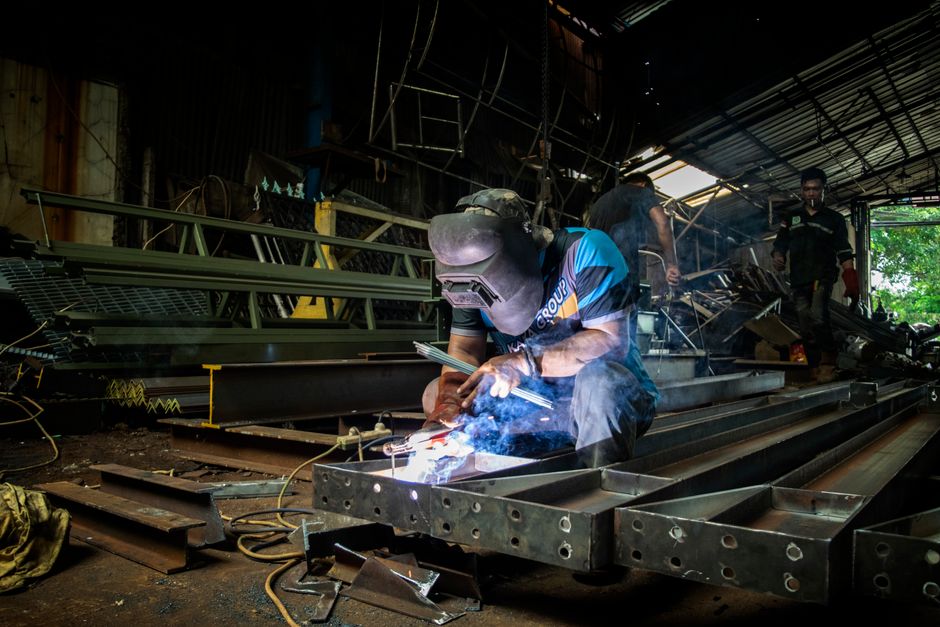
Metal fabrication is the process of creating metal structures by cutting, bending, and assembling. It encompasses a wide range of techniques and is essential in producing components for machinery, equipment, and various structures. The processes can range from simple tasks, such as cutting sheets of metal, to complex operations involving welding, machining, and finishing. Knowing the basics of metal fabrication can help businesses identify their needs and choose the right shop.
In metal fabrication, precision is vital. Shops utilize advanced technologies such as CNC (Computer Numerical Control) machines, laser cutters, and robotic welders to ensure accuracy and efficiency. These innovations have significantly improved production rates and quality control, making metal fabrication an indispensable asset for industries that require high-quality metal products.
Key Processes in Metal Fabrication
Metal fabrication involves several key processes that are essential for creating metal components. Each process serves a specific purpose and contributes to the overall efficiency of production.
The first step is cutting, where raw metal sheets or bars are cut into specific shapes and sizes using tools like saws, plasma cutters, or lasers. Following cutting, bending is performed to shape the metal into desired angles or curves. This is often done using press brakes or other bending machines that exert pressure to achieve the desired form.
After cutting and bending, the next process is welding, which involves joining metal pieces together using heat and filler material. This is a crucial step in creating strong and durable assemblies. Fabrication shops often employ various welding techniques, such as MIG (Metal Inert Gas) and TIG (Tungsten Inert Gas), depending on the materials and project requirements.
Choosing the Right Metal Fabrication Shop
When selecting a metal fabrication shop, several factors should be considered to ensure that your project runs smoothly and meets quality standards.
First, assess the shop’s capabilities. Ensure they have the necessary equipment and technology to handle your specific requirements. A well-equipped shop can manage various tasks, from simple fabrications to complex assemblies.
Additionally, consider the shop’s experience and reputation. Look for reviews and testimonials from previous clients. A reputable shop will have a track record of delivering high-quality products on time. It’s also beneficial to inquire about their quality control processes to ensure that they adhere to industry standards.
Lastly, communication is key. A good fabrication shop will maintain open lines of communication throughout the project, ensuring that you are updated on progress and any potential issues that may arise.
The Future of Metal Fabrication
The metal fabrication industry is evolving with advancements in technology. Automation, artificial intelligence, and the Internet of Things (IoT) are becoming increasingly integrated into fabrication processes. These technologies enhance efficiency, reduce human error, and allow for better tracking of production stages.
Moreover, the focus on sustainability is driving changes in the industry. Many fabrication shops are exploring eco-friendly practices, such as recycling scrap metal and reducing waste. This trend not only helps the environment but also appeals to consumers who are becoming more environmentally conscious.
As we move forward, the demand for skilled labor in metal fabrication will continue to grow. Training programs and apprenticeships will play a crucial role in preparing the workforce for the future of metal fabrication.
Conclusion
Metal fabrication shops are vital to the manufacturing sector, providing essential services that drive innovation and production. Understanding the processes involved and knowing how to choose the right shop can make a significant difference in the success of your projects. As technology continues to advance, staying informed about industry trends will help businesses leverage the full potential of metal fabrication.
For those looking to explore the benefits and services offered by a reliable metal fabrication shop, understanding these aspects will ensure informed decisions that align with your production goals.
