
Cardiopulmonary Resuscitation (CPR) is a life-saving technique that can be the difference between life and death in emergencies such as cardiac arrest. Understanding the principles of CPR is crucial for everyone, not just healthcare professionals. This article will explore what CPR is, why it is important, and how to perform it effectively. We will also delve into the latest guidelines and the importance of training in CPR.
What is CPR?
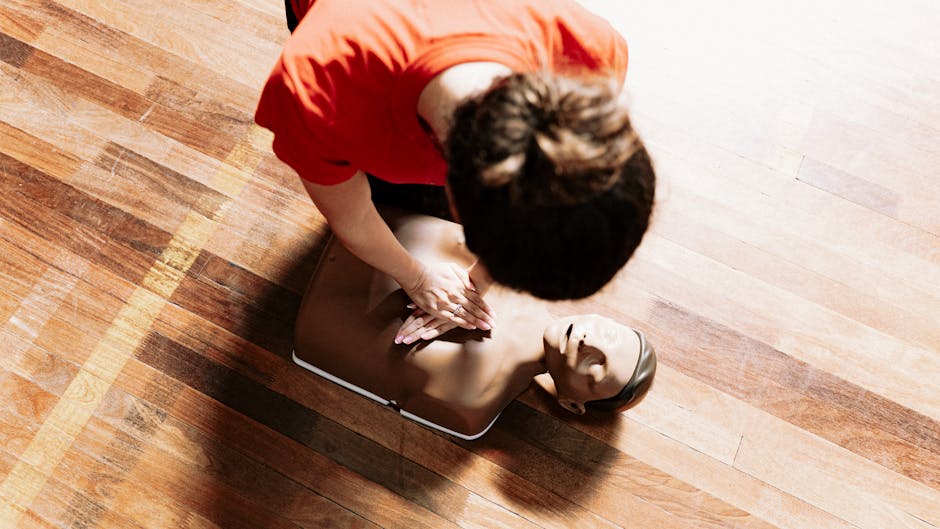
CPR is a combination of chest compressions and rescue breaths that helps maintain blood flow and oxygenation to the brain and other vital organs during cardiac arrest. The primary goal of CPR is to keep the person alive until advanced medical help arrives. According to the American Heart Association, high-quality CPR can double or even triple a victim’s chance of survival.
There are different techniques for CPR depending on the age of the victim. For adults, the focus is on chest compressions, while for infants and children, rescue breaths may also play a significant role. Understanding these differences is crucial for effectively applying CPR in various situations.
The Importance of CPR Training
Despite the critical nature of CPR, many people lack the training needed to perform it effectively. Statistics indicate that only about 32% of cardiac arrest victims receive CPR from bystanders. This highlights the need for increased awareness and training. Programs that offer CPR training, such as community courses and workplace training sessions, are essential in preparing individuals to respond in emergencies.
Taking a CPR course not only equips individuals with the skills needed to perform CPR but also builds confidence. Many people hesitate to perform CPR due to fear of causing harm or not knowing what to do. Training demystifies the process and empowers individuals to act when it matters most.
Steps to Perform CPR
Performing CPR involves a series of steps that should be followed carefully. First, ensure the scene is safe, then check the victim for responsiveness. If the person is unresponsive and not breathing normally, call emergency services immediately.
The next step is to start chest compressions. Place the heel of one hand on the center of the chest, with the other hand on top, and push down hard and fast at a rate of 100 to 120 compressions per minute. After every 30 compressions, give two rescue breaths if trained. Continue this cycle of compressions and breaths until help arrives or the person starts to show signs of life.
For those who are untrained, it is essential to remember that hands-only CPR (chest compressions only) is also effective and can be performed without rescue breaths. This method is especially recommended for bystanders who are unsure of their ability to provide rescue breaths.
CPR in Special Situations
There are certain situations where CPR guidelines may vary. For instance, when performing CPR on infants, the technique differs significantly from that used on adults. Compressions should be done using two fingers for infants, with a rate of 100 to 120 compressions per minute, and breaths should be given with caution to avoid over-inflating the lungs.
Moreover, CPR guidelines may change based on new research and techniques. Staying updated with the latest recommendations from trusted organizations, such as the American Heart Association or the Red Cross, is vital for anyone involved in emergency response.
Additionally, many find it beneficial to take refresher courses in CPR every few years to maintain their skills and knowledge. HLR kurs Stockholm is an example of a training program that can help individuals stay sharp and ready to respond.
Conclusion
Cardiopulmonary Resuscitation is a crucial skill that every individual should learn. The ability to perform CPR can save lives, making it essential in both public and private settings. As we have seen, the steps to perform CPR are straightforward, but the impact of this technique can be profound. With proper training and awareness, we can all contribute to a safer community where more lives can be saved in emergencies.
