
In the competitive world of dining, the impact of a restaurant’s interior design cannot be overstated. A well-thought-out interior not only enhances the overall ambiance but also influences customer experience and retention. From color schemes to furniture selection, each element plays a crucial role in crafting a memorable dining environment. In this article, we will explore the essential components of restaurant interior design, innovative trends, and practical tips for creating a captivating space.
The Importance of First Impressions
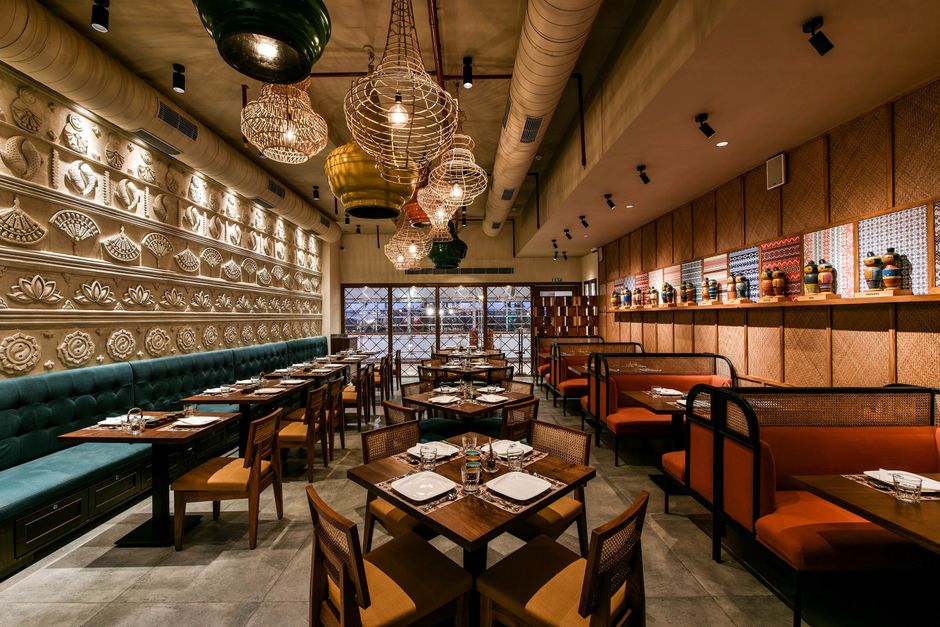
First impressions are critical in the restaurant industry. Studies show that patrons often decide whether they will return within the first few minutes of entering a restaurant. This is where interior design comes into play. The layout, lighting, and decor set the stage for the dining experience.
For example, a well-lit space with comfortable seating can make guests feel welcome and at ease. Conversely, a cluttered and poorly designed area can drive customers away. Incorporating elements such as an open kitchen concept or unique art installations can also create a focal point that captures attention.
A restaurant’s interior should reflect its brand identity. For instance, a high-end dining establishment may opt for elegant furnishings and muted colors, while a casual eatery might favor bright colors and playful decor. The key is to create a cohesive theme that resonates with the target audience.
Color Psychology in Restaurant Design
Colors have a profound psychological effect on people and can influence their mood and behavior. In restaurant interior design, choosing the right color palette is essential. Warm colors like reds, oranges, and yellows can stimulate appetite and encourage social interaction, making them popular choices for dining areas.
On the other hand, cooler colors such as blues and greens tend to have a calming effect and may work well in casual or relaxed dining settings. Understanding the psychology of color can help restaurant owners create an inviting atmosphere that aligns with their culinary offerings.
Moreover, incorporating color strategically can guide customer flow. For instance, using brighter colors in high-traffic areas can draw attention and encourage movement, while softer tones in quieter sections can promote relaxation and conversation.
Furniture and Layout Considerations
The selection of furniture and the layout of a restaurant are pivotal in enhancing the dining experience. Comfortable seating encourages patrons to linger, while the arrangement of tables can affect the overall flow of the space. Restaurant designers must strike a balance between maximizing seating capacity and ensuring a comfortable experience for diners.
For instance, communal tables can foster a sense of community and encourage interaction among guests, while intimate booths may provide a more private dining experience. The choice of materials also matters; durable and easy-to-clean surfaces are essential in high-traffic areas.
Additionally, the layout should consider accessibility for both patrons and staff. Clear pathways and strategically placed service stations can improve efficiency and enhance customer satisfaction.
Lighting: Setting the Mood
Lighting is one of the most critical aspects of restaurant interior design. It sets the mood, highlights key areas, and influences the overall dining experience. A well-designed lighting scheme can transform a space from ordinary to extraordinary.
Soft, ambient lighting can create an intimate atmosphere, while brighter lights may be more suitable for fast-casual dining environments. Layering different types of lighting, such as ambient, task, and accent lighting, can provide versatility and enhance the overall aesthetic.
Moreover, incorporating natural light can significantly improve the dining environment. Large windows or skylights can create a vibrant and welcoming atmosphere, making guests feel more connected to their surroundings.
Innovative Trends in Restaurant Design
The field of restaurant interior design is continuously evolving, with new trends emerging to meet the demands of modern diners. Sustainability has become a significant focus, with many restaurants opting for eco-friendly materials and designs that reduce environmental impact.
Another trend is the integration of technology. Many establishments are now incorporating digital menus, interactive displays, and even augmented reality experiences to enhance customer engagement. These innovations not only streamline operations but also create a unique dining experience that attracts tech-savvy patrons.
Finally, personalization is key. Restaurants are increasingly catering to individual preferences, offering customizable dining experiences that allow customers to tailor their meals and environments to their liking. This trend reflects a broader movement towards personalization in consumer experiences.
Conclusion
In conclusion, restaurant interior design is a multifaceted discipline that requires careful consideration of various elements, from color psychology to furniture selection and lighting. A well-designed space can significantly enhance the dining experience, influencing customer satisfaction and loyalty. By staying attuned to innovative trends and prioritizing functionality alongside aesthetics, restaurant owners can create inviting environments that resonate with their patrons. For those looking to excel in this area, understanding the principles of restaurant interior design is essential for success.
