
In the world of business, first impressions are crucial. The design of a commercial space can significantly influence customer perceptions and employee productivity. Whether it’s a sleek corporate office, a trendy café, or an innovative retail store, commercial interior design plays a pivotal role in shaping the atmosphere and functionality of these environments. This article delves into the various aspects of commercial interior design, exploring its importance, trends, and practical applications.
Understanding Commercial Interior Design
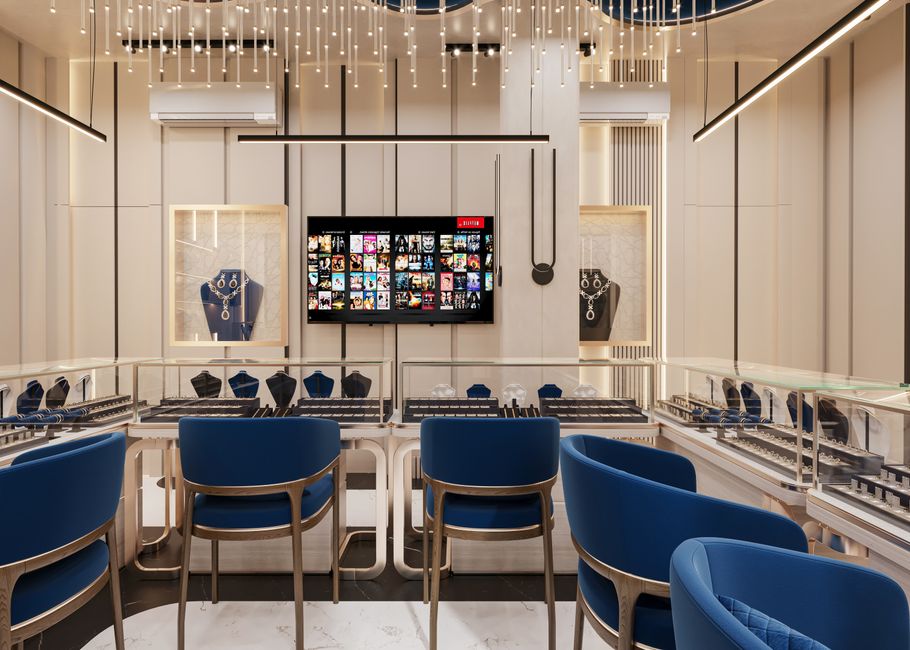
Commercial interior design refers to the process of designing spaces that serve business purposes. Unlike residential design, which focuses on personal taste and comfort, commercial design emphasizes functionality, brand identity, and the needs of end-users. A well-designed commercial space can enhance customer experiences, improve employee morale, and ultimately drive sales.
The primary goal of a commercial interior designer is to create environments that are not only aesthetically pleasing but also practical. This involves understanding the client’s vision, the nature of the business, and the target audience. For instance, a retail store might require a layout that encourages customer flow and highlights products, while an office space might prioritize collaboration and productivity.
The Role of a Commercial Interior Designer
A commercial interior designer wears many hats. They are responsible for conceptualizing and executing design plans, selecting materials, and ensuring compliance with building codes and regulations. A successful designer must possess a keen eye for detail and a strong understanding of architecture, furniture design, and color theory.
Additionally, effective communication skills are essential. Designers often work closely with clients, contractors, and other professionals to bring a project to life. For instance, a commercial interior designer might collaborate with architects to ensure that the interior design aligns with the structural elements of a building. Furthermore, they may need to present design concepts to clients, incorporating feedback and making adjustments as necessary.
One key aspect of the designer’s role is to create a cohesive aesthetic that reflects the brand’s identity. This is where the integration of logos, color schemes, and overall brand messaging comes into play. For example, a tech startup might opt for a modern, minimalist design that conveys innovation, while a law firm might choose a more traditional and sophisticated aesthetic.
Current Trends in Commercial Interior Design
As with any field, commercial interior design is influenced by evolving trends and societal changes. Sustainability is at the forefront of many designers’ minds today. Businesses are increasingly seeking eco-friendly materials and energy-efficient designs that reduce their environmental impact. This trend is not just good for the planet; it also appeals to a growing consumer base that prioritizes sustainability.
Another trend is the rise of biophilic design, which incorporates natural elements into commercial spaces. This can include the use of plants, natural light, and organic materials to create a calming environment. Studies have shown that exposure to nature can enhance employee well-being and productivity, making it a desirable feature for many businesses.
Additionally, flexible spaces are becoming increasingly popular. The COVID-19 pandemic has shifted how companies view their office layouts, with many now prioritizing adaptable spaces that can accommodate various functions, from collaborative work to private meetings. This flexibility allows businesses to respond quickly to changing needs.
Case Studies: Successful Commercial Interior Design Projects
To illustrate the impact of effective commercial interior design, let’s look at a few notable examples. One prominent case is the redesign of the headquarters for a well-known tech company. The new office features an open floor plan, collaborative workspaces, and areas designed for relaxation and socialization. This layout fosters creativity and teamwork, aligning with the company’s innovative culture.
Another example is a high-end restaurant that underwent a complete interior overhaul. The designer opted for a warm color palette, luxurious materials, and ambient lighting to create an inviting atmosphere. The result was a significant increase in customer satisfaction and repeat visits, showcasing how thoughtful design can enhance the dining experience.
Lastly, consider the transformation of a traditional retail store into a modern shopping experience. By incorporating interactive displays and immersive technology, the designer created a space that not only showcases products but also engages customers in a memorable way, ultimately driving sales and brand loyalty.
The Future of Commercial Interior Design
Looking ahead, the future of commercial interior design appears to be promising. As technology continues to advance, designers will have access to new tools and resources that will allow for even more innovative designs. Virtual reality (VR) and augmented reality (AR) are beginning to play a role in the design process, enabling clients to visualize spaces before they are built.
Moreover, the emphasis on wellness will likely continue to shape design decisions. Spaces that promote mental and physical well-being will be prioritized, with features such as enhanced air quality, ergonomic furniture, and areas for relaxation becoming standard.
Ultimately, the role of a commercial interior designer will remain crucial in creating functional, aesthetically pleasing spaces that meet the ever-changing needs of businesses. As the landscape evolves, designers will need to adapt and innovate, ensuring that they remain at the forefront of this dynamic field. For those looking to hire a professional, it’s essential to find a skilled commercial interior designer who understands the unique challenges and opportunities of each project.
Conclusion
In conclusion, commercial interior design is a vital component of any business strategy. It not only impacts the way customers perceive a brand but also influences employee productivity and satisfaction. By understanding the principles of effective design, businesses can create environments that foster success and reflect their brand identity. As we move forward, embracing trends like sustainability, biophilia, and flexibility will be key to staying relevant in a competitive market.
