
In an era where environmental sustainability is paramount, plastic recycling companies play a crucial role in combating plastic waste. With millions of tons of plastic entering landfills and oceans each year, the need for effective recycling solutions has never been more pressing. This article delves into the importance of plastic recycling companies, how they operate, and the innovative technologies that are shaping the future of recycling.
The Importance of Plastic Recycling
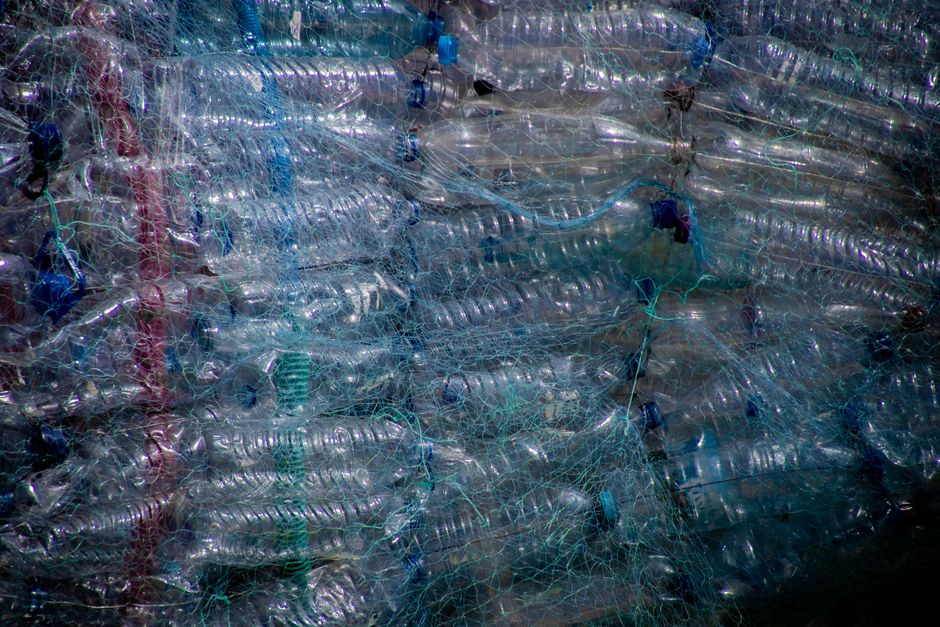
Plastic waste is one of the most significant environmental challenges of our time. According to the United Nations, around 300 million tons of plastic are produced globally each year, and a staggering 50% of that is single-use plastic. This has led to severe ecological consequences, including marine pollution and harm to wildlife. Plastic recycling companies emerge as vital players in addressing this crisis by transforming waste into valuable resources.
Recycling not only helps reduce the volume of waste but also conserves energy and natural resources. For instance, recycling plastic can save up to 66% of the energy required to produce new plastic from raw materials. This is where companies specializing in plastic recycling come into play, offering essential services that help close the loop on plastic production.
How Plastic Recycling Companies Operate
Plastic recycling companies follow a systematic process to collect, sort, and recycle plastic materials. The journey typically begins with collection, where these companies gather plastic waste from various sources, including households, businesses, and industrial facilities. Once collected, the plastic is transported to recycling facilities where it undergoes sorting and cleaning.
Sorting is a critical step, as not all plastics can be recycled in the same way. Different types of plastic have varying properties and recycling methods. For example, polyethylene terephthalate (PET) is widely recycled, while polystyrene is more challenging to process. Skilled workers and advanced technologies, such as automated sorting systems, are employed to ensure that plastics are accurately categorized.
After sorting, the plastics are cleaned to remove contaminants such as labels and residues. They are then shredded into small pieces, which can be melted down and reformed into new products. This process not only minimizes waste but also contributes to the creation of a circular economy.
Innovative Technologies in Plastic Recycling
The plastic recycling industry has witnessed significant advancements in technology over the years. Innovations such as chemical recycling and advanced sorting technologies are transforming how plastic waste is processed. Chemical recycling, for instance, breaks down plastics into their original monomers, allowing for the creation of high-quality recycled materials.
Additionally, AI-driven sorting technologies are enhancing efficiency in recycling facilities. By using machine learning algorithms, these systems can identify and sort different types of plastics more accurately and quickly than human workers. This increases the overall effectiveness of recycling operations and reduces contamination rates.
Challenges Faced by Plastic Recycling Companies
Despite the progress made, plastic recycling companies face several challenges that hinder their effectiveness. One of the primary issues is the contamination of recyclable materials. Contaminated plastics can lead to increased costs and lower-quality recycled products, making it crucial for companies to educate consumers about proper recycling practices.
Another challenge is the fluctuating market for recycled materials. Prices for recycled plastics can vary significantly based on demand and competition with virgin materials. This uncertainty can impact the financial stability of recycling companies and their ability to invest in new technologies.
The Future of Plastic Recycling
The future of plastic recycling is promising, with ongoing research and development aimed at creating more efficient and sustainable processes. As public awareness of environmental issues grows, the demand for recycled materials is expected to rise, providing opportunities for plastic recycling companies to expand their operations.
Moreover, government policies and regulations are increasingly supporting recycling initiatives, creating a more favorable environment for the industry. For example, several countries are implementing bans on single-use plastics, which could significantly boost the demand for recycled alternatives.
In conclusion, plastic recycling companies are essential in the fight against plastic waste. By implementing innovative technologies and efficient processes, they are paving the way for a sustainable future. For businesses looking to contribute to environmental sustainability, partnering with a plastic recycling company can be a significant step toward reducing their ecological footprint.
