
Septic tanks are a crucial component of many homes, especially those located in rural areas where public sewage systems are not available. Proper maintenance and regular cleaning of septic tanks are vital to ensure their longevity and to prevent costly repairs. In this article, we will explore the importance of septic tank cleaning, how often it should be done, the signs that indicate your tank needs cleaning, and the cleaning process itself.
The Importance of Regular Septic Tank Cleaning
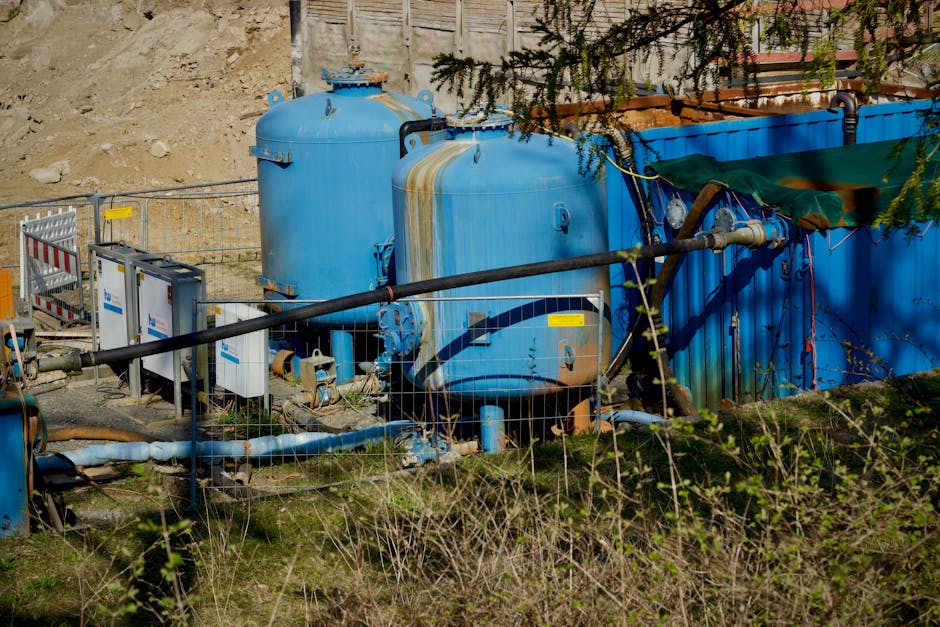
Regular septic tank cleaning is essential for several reasons. First and foremost, it helps to prevent the buildup of sludge and scum that can lead to clogs and system failures. A well-maintained septic tank can last for decades, while neglecting it can lead to expensive repairs or replacements.
According to the Environmental Protection Agency (EPA), septic systems should be inspected at least every three years and pumped every three to five years, depending on the size of the tank and the number of people in the household. Regular cleaning also protects the environment by preventing untreated sewage from contaminating groundwater and surface water.
Signs That Your Septic Tank Needs Cleaning
There are several signs that can indicate your septic tank requires cleaning. One of the most obvious signs is slow drainage in sinks, showers, or toilets. If you notice that water is pooling around the drain field or if unpleasant odors are emanating from the area, it may be time to schedule a cleaning.
Additionally, if your lawn appears unusually lush and green over the drain field, this could indicate that the tank is overflowing and sewage is leaking into the soil. Regular inspections can help catch these issues early, allowing for timely intervention and maintenance.
The Septic Tank Cleaning Process
The process of cleaning a septic tank typically involves pumping out the sludge and scum that accumulates over time. A professional septic service will use a vacuum truck to remove these materials through an access port in the tank. After the tank is pumped, it is essential to inspect it for any signs of damage or wear, as well as to check the baffles, which are crucial for directing wastewater flow.
Once the cleaning process is complete, it is advisable to have a thorough inspection of the entire system, including the drain field, to ensure everything is functioning properly. This is also a good time to discuss septic maintenance practices with your service provider to keep your system in optimal condition.
Preventive Measures for Septic Tank Care
To prolong the life of your septic tank, it is crucial to adopt preventive measures. One of the most effective ways is to be mindful of what goes down your drains. Avoid flushing non-biodegradable materials, such as wipes, feminine hygiene products, and grease, as these can cause clogs and lead to system failure.
Regularly scheduling inspections and cleanings, as well as maintaining a proper balance of bacteria in the tank, can significantly reduce the risk of problems. Using septic-friendly products can also contribute to better tank health, ensuring that the bacterial ecosystem remains balanced and effective.
DIY Maintenance Tips
While professional cleaning is essential, there are some DIY maintenance tips that homeowners can follow to keep their septic tanks in good shape. For instance, practicing water conservation can help reduce the load on your septic system. Simple measures like fixing leaks and spreading out laundry loads can make a significant difference.
Additionally, planting grass or other shallow-rooted plants over the drain field can help absorb excess water, but be cautious not to plant trees or large shrubs that may disrupt the system. Regularly checking the levels of the tank, while not a substitute for professional inspections, can also give you a better understanding of when cleaning might be necessary.
Conclusion
In conclusion, septic tank cleaning is an essential aspect of home maintenance that should not be overlooked. By understanding the importance of regular cleaning, recognizing the signs that indicate a need for service, and adopting preventive measures, homeowners can ensure their septic systems remain functional and reliable for years to come. Remember, timely maintenance is not only a matter of convenience but also a critical part of protecting your home and the environment.
