
In an era where safety is paramount, ensuring the security of our homes has become more crucial than ever. With the rise in crime rates and the increasing sophistication of burglaries, investing in a reliable home security system is not just an option, but a necessity. This article delves deep into the various aspects of home security systems, providing insights into their importance, types, features, and how to choose the right one for your needs.
Understanding the Importance of Home Security Systems
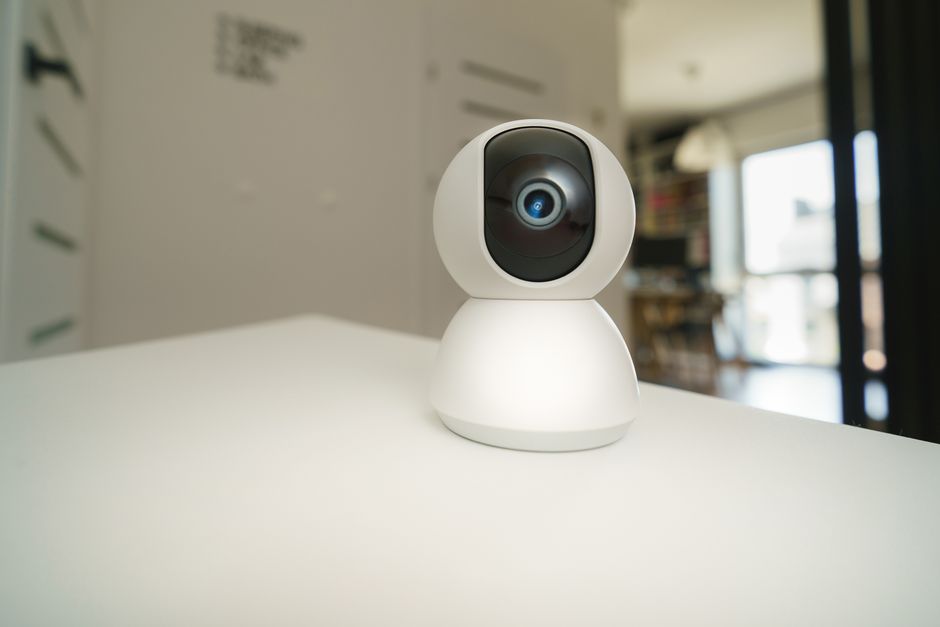
Home security systems serve as your first line of defense against potential threats. According to the FBI, a property crime occurs every 4.1 seconds in the U.S., underscoring the importance of having adequate security measures in place. Not only do these systems deter intruders, but they also provide peace of mind for homeowners. Knowing that you have a robust security setup can significantly reduce anxiety and enhance your overall sense of safety.
Moreover, many home insurance providers offer discounts on premiums for homes equipped with security systems. This can lead to substantial savings over time, making the investment in a security system financially savvy as well as practical.
Finally, modern home security systems often come with advanced technology that allows homeowners to monitor their premises remotely. Features like real-time alerts, video surveillance, and smart home integrations make it easier than ever to keep an eye on things, no matter where you are.
Types of Home Security Systems
When it comes to choosing a home security system, there are several types to consider. Each comes with its own set of advantages and disadvantages. The most common types include:
1. Wired Security Systems: These systems are hardwired into your home and are often more reliable than wireless systems. However, installation can be complicated and costly, especially in existing homes.
2. Wireless Security Systems: Wireless systems are easier to install and can be expanded with additional components at any time. They offer flexibility and convenience, but may be susceptible to interference.
3. Monitored Security Systems: With these systems, a professional monitoring service watches your home 24/7. In the event of a breach, they can contact authorities immediately. This extra layer of protection often comes at a higher monthly cost.
4. Unmonitored Security Systems: These systems alert you directly, but do not involve a monitoring service. While they are generally cheaper, they rely on you to take action in case of an emergency.
Key Features to Look For
When selecting a home security system, it’s important to consider the features that best meet your needs. Here are some essential features to look for:
1. Motion Sensors: These devices detect movement in and around your home. They can trigger alarms and send alerts, providing immediate notifications if an intruder is detected.
2. Cameras: Security cameras allow homeowners to monitor their property in real-time. Look for systems that offer high-definition video and night vision capabilities for comprehensive surveillance.
3. Smart Home Integration: Many modern security systems can be integrated with smart home devices, allowing you to control everything from your thermostat to your security cameras via a smartphone app.
4. Mobile Alerts: Instant notifications to your smartphone can keep you informed about any suspicious activity. This feature is crucial for remote monitoring.
For more information on the best options available, consider checking out a comprehensive guide on a home security system.
Choosing the Right System for Your Home
Choosing the right home security system involves evaluating your specific needs, budget, and the layout of your home. Consider the following steps to make an informed decision:
1. Assess Your Security Needs: Take stock of your property and identify vulnerable areas. Are there many entry points? Is your home in a high-crime area? Understanding your unique situation will guide your selection process.
2. Set a Budget: Determine how much you are willing to spend. Keep in mind that while some systems may have a higher upfront cost, they could save you money in the long run with lower insurance premiums.
3. Research and Compare: Look at different brands and models. Read reviews and compare features to find a system that fits your needs. Don’t hesitate to ask for recommendations from friends or family.
Conclusion
Investing in a home security system is one of the best decisions you can make for the safety and protection of your home and loved ones. With various types and features available, it’s essential to do your research and choose a system that fits your specific requirements. By understanding the importance of home security, the types of systems available, and the key features to look for, you can make an informed choice that will provide peace of mind for years to come.
