
The terrace is not just an extension of your home; it’s a personal oasis that can transform your outdoor living experience. Whether you are looking to entertain guests, enjoy a quiet evening under the stars, or simply bask in the sun, a well-designed terrace can meet all these desires. In this article, we will explore the various aspects of terrace design, including materials, layout, and landscaping, to help you create the perfect outdoor space.
Understanding the Basics of Terrace Design
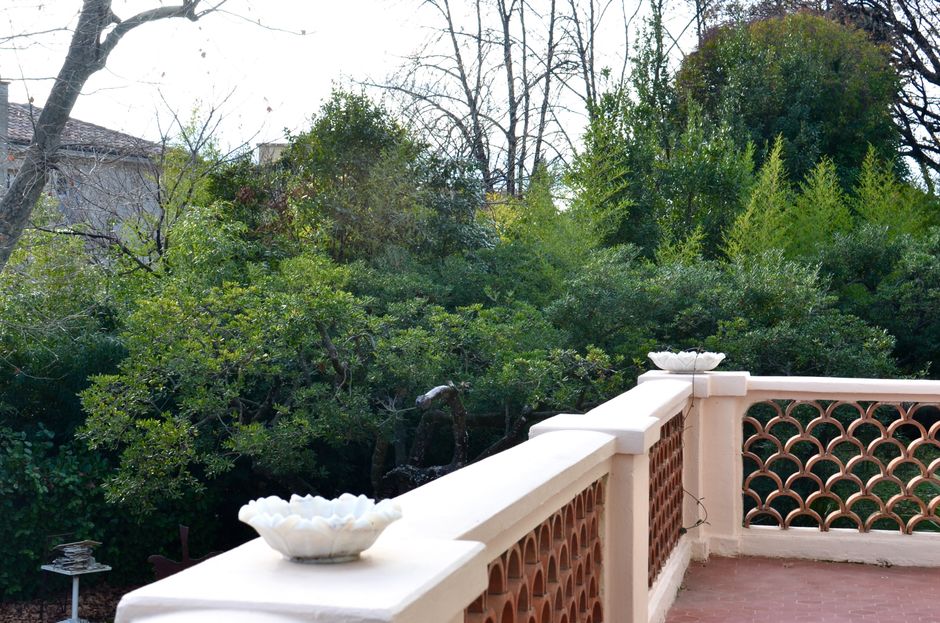
Before diving into the specifics of design, it’s essential to understand the fundamental elements that make up a functional terrace. The first consideration is the location. The position of your terrace will dictate how much sunlight it receives, the view it offers, and its overall exposure to the elements. A south-facing terrace will generally receive more sunlight, making it a great spot for sunbathing and growing plants.
The next aspect to consider is the size and shape of your terrace. Depending on the available space, you can opt for a small, intimate area or a spacious deck for large gatherings. Irregular shapes can add character, while rectangular shapes offer more straightforward furniture arrangement. Additionally, the flooring material plays a crucial role in the design; options range from wooden decking to tiles, each providing a different ambiance.
Choosing the Right Materials
When it comes to selecting materials for your terrace, durability and aesthetics are key. Hardwood decking is a popular choice for its timeless appeal and longevity. However, it requires regular maintenance to keep it looking its best. Alternatively, composite materials offer a low-maintenance solution that mimics the appearance of wood without the upkeep.
For flooring, consider using outdoor tiles that are slip-resistant and weatherproof. Natural stone, such as slate or granite, can create a luxurious feel but may come with a higher price tag. Additionally, incorporating sustainable materials like bamboo or recycled composites can contribute to an eco-friendly design.
Incorporating Landscaping
Landscaping is an integral part of terrace design that enhances the overall aesthetic. Plants can provide privacy, shade, and a splash of color. When choosing plants, consider the climate and the amount of sunlight the terrace receives. For example, succulents and cacti thrive in sunny areas, while ferns and shade-loving plants are better suited for less sunny spots.
Vertical gardens are an excellent way to maximize space and bring greenery into urban settings. They can be created using planters or trellises, allowing you to grow herbs, flowers, or even vegetables. Additionally, incorporating elements like planters, garden furniture, and lighting can create a welcoming atmosphere for both day and night.
Functional Elements to Consider
A terrace can be more than just a pretty space; it can be highly functional as well. Consider adding features like outdoor kitchens or barbecues for entertaining. A fire pit can provide warmth and a cozy ambiance during cooler evenings, while outdoor furniture, such as loungers and dining sets, can enhance comfort.
Moreover, think about how you will use the terrace throughout the year. Installing a retractable awning or a pergola can provide shade during hot summer months while allowing for a cozy area during winter. For added comfort, consider adding outdoor heaters or blankets for chilly nights.
Designing for Sustainability
As homeowners become increasingly concerned about their environmental impact, sustainable design practices are gaining popularity. When designing your terrace, consider integrating features that promote sustainability. For instance, using solar-powered lights can reduce energy consumption while providing illumination.
Furthermore, rainwater collection systems can be installed to irrigate plants, reducing water waste. Opting for native plants can also minimize water usage and provide habitat for local wildlife. These sustainable practices not only benefit the environment but can also lower long-term maintenance costs.
Conclusion
Creating the perfect terrace requires careful planning and consideration of various elements, from design and materials to landscaping and functionality. By focusing on these aspects, you can create a beautiful and practical outdoor space that enhances your lifestyle. Whether you choose to relax with a book, host a barbecue, or enjoy a peaceful evening under the stars, a well-designed terrace can serve as your personal retreat. For those looking to enhance their outdoor living experience, consider exploring options like Terrassenüberdachungen for added protection and style.
