
In the highly competitive world of dining establishments, the importance of restaurant interior design cannot be overstated. A restaurant’s interior is not just a backdrop for meals; it shapes the dining experience, influences customer perceptions, and can even affect a restaurant’s bottom line. In this article, we will explore the key elements of effective restaurant interior design, the latest trends, and how to create an inviting atmosphere that keeps customers coming back for more.
The Importance of First Impressions
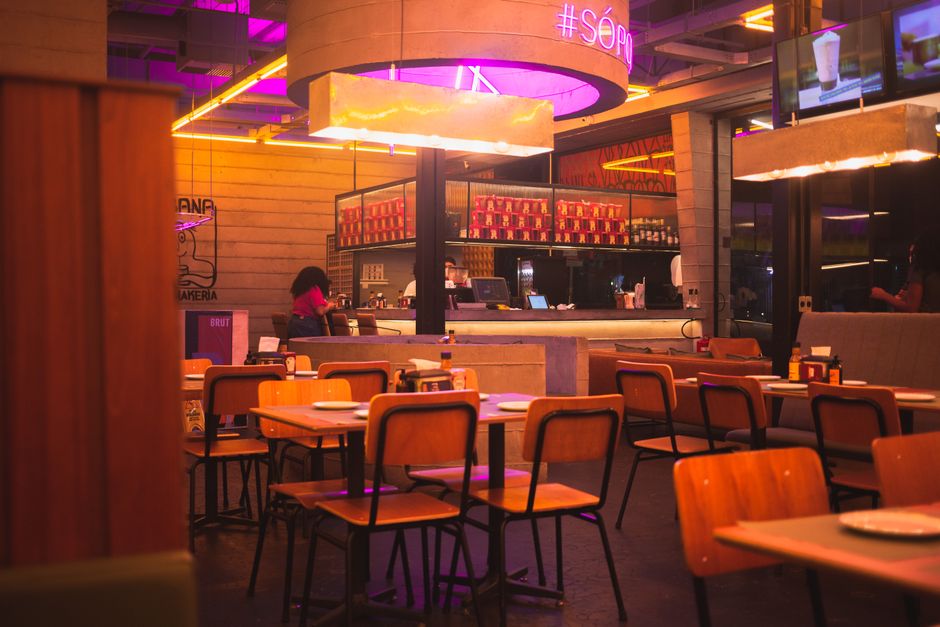
First impressions are crucial in the restaurant industry. Research shows that diners often form opinions within the first 10 seconds of entering a restaurant. This is where thoughtful interior design plays a pivotal role. Elements such as lighting, color schemes, furniture, and layout can create an atmosphere that reflects the restaurant’s brand identity.
For instance, a casual eatery might opt for bright colors and playful decor to convey a fun, relaxed vibe, while a fine dining establishment may choose muted tones and elegant furnishings to emphasize sophistication. Creating a connection between the interior design and the restaurant’s concept is essential.
Functional Layout and Flow
A well-thought-out layout is key to ensuring a smooth flow of service and a pleasant dining experience. The arrangement of tables, the positioning of the kitchen, and the placement of the bar can all impact customer satisfaction and staff efficiency. A common mistake is to overcrowd spaces; restaurants should strike a balance between maximizing seating and maintaining comfort.
Additionally, the layout should facilitate easy movement for both customers and staff. For example, a clear path from the kitchen to the dining area can streamline service, while well-placed exits can enhance safety.
Choosing the Right Materials and Textures
The materials used in restaurant interior design can significantly influence the ambience and durability of the space. Hard surfaces like wood or metal can create a modern look, while soft materials such as fabric or leather can add warmth and comfort. It’s important to choose materials that align with the restaurant’s theme while also considering maintenance and longevity.
Moreover, textures play an important role in creating a layered, inviting atmosphere. Mixing different textures—such as smooth tables with plush seating or rough brick walls with polished metal fixtures—can add depth and visual interest to the space.
Incorporating Technology
In today’s digital age, integrating technology into restaurant interior design is becoming increasingly important. Features such as digital menus, self-order kiosks, and ambient lighting control systems can enhance customer experience while also improving operational efficiency.
Additionally, technology can be used to create unique experiences that set a restaurant apart. For instance, some establishments use augmented reality to engage diners in interactive ways, such as viewing 3D representations of their meals before ordering. This innovative approach can draw in tech-savvy customers and create a buzz around the restaurant.
Adapting to Trends and Sustainability
Restaurant interior design is not static; it evolves with changing trends and consumer preferences. Currently, sustainability is at the forefront of design considerations. Many restaurants are opting for eco-friendly materials, energy-efficient lighting, and sustainable practices to appeal to the environmentally conscious consumer.
Moreover, biophilic design—incorporating natural elements like plants, natural light, and water features—has gained popularity. Studies indicate that such designs can improve mood and enhance the dining experience, making them a smart choice for modern restaurants.
As trends continue to shift, staying informed about the latest developments in restaurant interior design is essential for success.
In conclusion, the significance of restaurant interior design in shaping customer experiences and influencing business outcomes cannot be overlooked. By focusing on first impressions, functional layouts, the right materials, technology integration, and sustainability, restaurateurs can create spaces that not only attract customers but also keep them returning.
