
In recent years, the use of drones has skyrocketed across various industries, from photography to agriculture and even emergency services. As this technology continues to evolve, the need for skilled drone pilots has never been more critical. To operate drones legally and safely, obtaining a certification is essential. This guide will provide you with all the information you need regarding drone pilot certification, including the steps to achieve it, the benefits it offers, and the future of this exciting field.
The Importance of Drone Certification
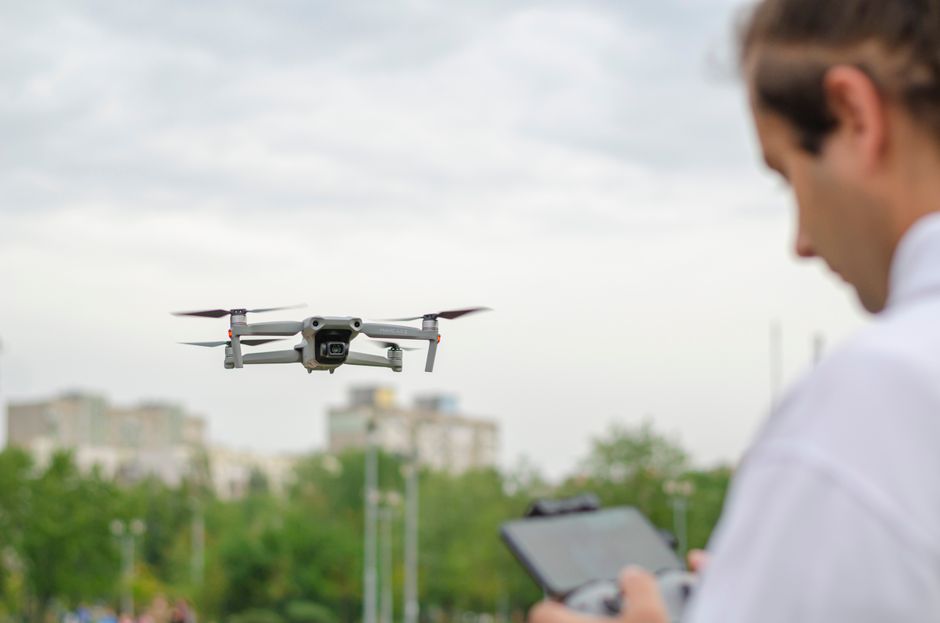
Drone certification plays a pivotal role in ensuring that pilots are adequately trained to operate these devices. From safety regulations to operational guidelines, certified pilots are equipped with the knowledge necessary to avoid accidents and misuse. In many countries, including the United States and various European nations, it is mandatory to have a certification to fly drones for commercial purposes.
Moreover, certified pilots often find more job opportunities because businesses prefer hiring those who have undergone formal training. For instance, real estate firms looking to use drones for aerial photography typically seek out certified pilots who can ensure high-quality footage while adhering to legal standards.
Steps to Obtain Your Drone Pilot Certification
The process to obtain your drone pilot certification can vary by country, but generally includes several key steps. First, you need to familiarize yourself with the regulations governing drone operation in your area. In the United States, for example, the Federal Aviation Administration (FAA) outlines specific requirements that must be met.
Next, aspiring pilots should consider enrolling in a training course that covers both theoretical knowledge and practical skills. These courses often include instruction on airspace rules, weather considerations, and drone mechanics. Once you feel prepared, the final step is to pass a certification exam, which tests your understanding of these subjects.
For those in the Philippines, acquiring a drone pilot certification involves a similar approach, with specific guidelines set forth by the Civil Aviation Authority of the Philippines (CAAP). Following these steps diligently will help ensure that you are well-prepared for your certification.
Benefits of Being a Certified Drone Pilot
Obtaining a drone pilot certification comes with a myriad of benefits. Firstly, it enhances your credibility as a pilot, allowing you to build trust with clients and employers. This is particularly important in specialized fields such as aerial surveying, where precision and reliability are paramount.
Additionally, certified pilots often have access to more advanced job opportunities. Many industries, including construction and agriculture, are increasingly incorporating drones into their workflow, creating a demand for qualified operators. According to a report by the Association for Unmanned Vehicle Systems International (AUVSI), the drone industry is expected to create over 100,000 jobs by 2025, highlighting the growing need for certified pilots.
Challenges Faced by Aspiring Drone Pilots
While the path to becoming a certified drone pilot is filled with opportunities, it is not without its challenges. One significant hurdle is the cost associated with training and certification. Aspiring pilots may need to invest in courses, study materials, and even the drones themselves to practice effectively.
Moreover, staying updated with the constantly changing regulations can be daunting. As technology advances, laws surrounding drone usage are frequently revised. Pilots must remain informed about any changes to ensure compliance and maintain their certification status.
The Future of Drone Piloting
The future of drone piloting looks promising, with advancements in technology paving the way for innovative applications. From package delivery to aerial inspections, the possibilities seem endless. As drones become more integrated into everyday life, the demand for certified pilots will likely continue to grow.
With the rise of automation and artificial intelligence, there is also potential for new training methods, such as virtual reality simulations, to emerge. These technologies could provide aspiring pilots with immersive learning experiences that enhance their skills and prepare them for real-world scenarios.
Conclusion
In summary, becoming a certified drone pilot is a rewarding journey that opens doors to a variety of career opportunities. By understanding the importance of certification, following the necessary steps to obtain it, and embracing the challenges and innovations of the industry, you can position yourself for success in this rapidly evolving field. Whether you are looking to fly drones for fun or as a career, certification is a crucial stepping stone that will enhance your skills and credibility.
