
In the unpredictable world of agriculture, farmers face countless risks that can threaten their livelihoods. From extreme weather events to pest infestations, the challenges are ever-present. One crucial tool that can help mitigate these risks is crop insurance. This article delves into the importance of crop insurance, the different types available, and how it can safeguard farmers’ investments.
The Importance of Crop Insurance
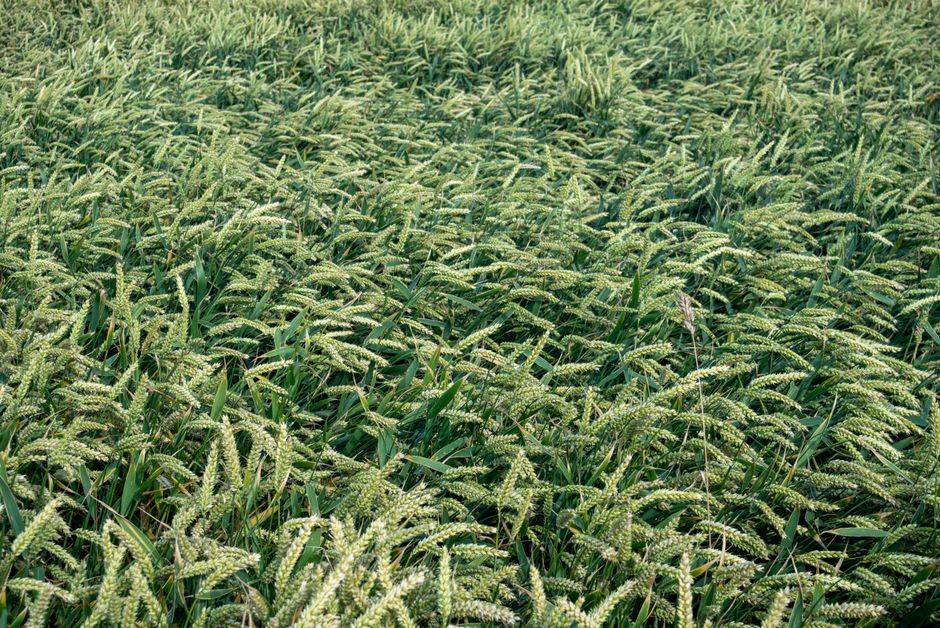
Crop insurance serves as a financial safety net for farmers, providing them with the necessary support in times of crisis. According to the U.S. Department of Agriculture (USDA), agricultural losses due to natural disasters can amount to billions of dollars annually. Without adequate insurance, many farmers would struggle to recover from such losses. Crop insurance helps farmers maintain their economic stability and encourages them to invest in their operations, knowing that they have a safety net in place.
Moreover, crop insurance can enhance food security on a larger scale. When farmers are protected against losses, they are more likely to produce a consistent supply of food. This reliability is essential for meeting the demands of an ever-growing population. By investing in crop insurance, farmers not only shield themselves but also contribute to the stability of the food supply chain.
Types of Crop Insurance
There are various types of crop insurance policies that cater to the diverse needs of farmers. The two primary categories are Actual Production History (APH) insurance and Revenue Protection (RP) insurance. APH insurance covers losses based on the historical yield of a specific crop, while RP insurance covers losses based on the revenue generated from the crop. Each type has its benefits and can be tailored to fit individual farming operations.
Additionally, farmers can choose between multi-peril crop insurance (MPCI) and crop-hail insurance. MPCI protects against multiple risks, including drought and disease, while crop-hail insurance specifically protects against hail damage. Understanding these options allows farmers to make informed decisions about the level of coverage they need.
How to Obtain Crop Insurance
Obtaining crop insurance involves several steps, beginning with assessing the specific needs of the farm. Farmers should evaluate the types of crops grown, historical yields, and the risks they face. Consulting with an insurance agent who specializes in agricultural insurance can provide valuable insights into the best coverage options available.
Once the desired coverage is identified, farmers must complete an application process, which includes providing necessary documentation and details about their farming operations. It’s important to note that crop insurance policies often have deadlines for enrollment, so staying informed about these dates is crucial for farmers looking to secure their coverage.
The Impact of Crop Insurance on Farming Practices
Crop insurance not only protects farmers financially but also influences their farming practices. With the assurance of coverage, farmers may be more inclined to adopt innovative techniques and technologies that can enhance productivity. For example, they might invest in precision agriculture tools that optimize resource use, knowing that they have a safety net in case of unforeseen circumstances.
Furthermore, crop insurance can encourage sustainable farming practices. By safeguarding farmers against financial loss, insurance can promote environmental stewardship, as farmers may be more willing to implement practices that protect soil health and biodiversity, confident that they are backed by their insurance policy.
Conclusion
In conclusion, crop insurance is an essential component of modern agriculture, providing a crucial safety net for farmers facing various risks. By understanding the importance of crop insurance and the options available, farmers can make informed decisions that protect their investments and contribute to food security. As the agricultural landscape continues to evolve, staying informed about crop insurance will be vital for farmers looking to thrive in an ever-changing environment. For more detailed information, consider exploring resources on crop insurance.
