
Crop insurance is a vital tool for farmers, providing financial security against the unpredictability of nature. As climate change continues to affect agricultural productivity, understanding the nuances of crop insurance becomes increasingly important. In this article, we will explore what crop insurance is, its types, benefits, and how it can safeguard farmers’ livelihoods.
What is Crop Insurance?
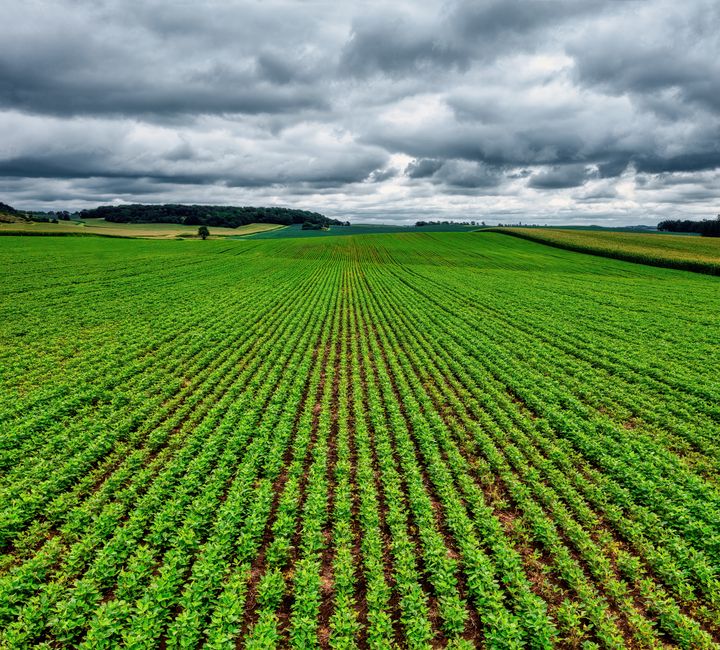
Crop insurance is a form of insurance designed specifically to cover the loss of crops due to various risks such as natural disasters, pests, and diseases. It serves as a safety net for farmers, ensuring that they can recover financially from unforeseen events that could otherwise devastate their operations.
The insurance typically covers a portion of the costs associated with replanting crops, loss of income due to crop failure, and other related expenses. By mitigating the financial impact of crop loss, farmers can maintain their operations and continue to contribute to the food supply chain.
Types of Crop Insurance
There are two main types of crop insurance: yield-based and revenue-based. Yield-based insurance protects against a decline in crop yield, while revenue-based insurance covers loss of income due to both yield loss and price fluctuations.
For instance, a farmer who grows corn may opt for yield-based insurance to ensure that if their crop yield falls below a certain threshold due to drought, they will receive compensation. On the other hand, a farmer who faces a significant drop in market prices may find revenue-based insurance more beneficial as it accounts for both yield and price.
Understanding these different types is crucial for farmers when selecting the appropriate insurance coverage that meets their specific needs.
The Benefits of Crop Insurance
One of the primary benefits of crop insurance is that it provides financial stability. Farmers invest heavily in their crops, and an unexpected disaster can lead to devastating losses. With crop insurance, they can receive timely compensation, allowing them to recover more quickly and continue their operations.
Moreover, crop insurance can also enhance a farmer’s ability to secure loans. Lenders often require insurance as a condition for financing, as it reduces the risk of lending. This enables farmers to invest in better equipment, seeds, and technology, ultimately leading to increased productivity.
Additionally, crop insurance can contribute to the overall stability of the agricultural sector. By protecting farmers, it ensures a consistent supply of food, which is essential for the economy and society as a whole.
Challenges in Crop Insurance
Despite its benefits, crop insurance is not without challenges. One of the significant issues is the complexity of policies, which can be difficult for farmers to navigate. Many farmers may not fully understand the terms, coverage limits, and claims processes, leading to underinsurance or inadequate protection.
Furthermore, the cost of premiums can be a barrier for some farmers, particularly small-scale operators. While subsidies may be available, the upfront costs can still deter participation in insurance programs.
Education and outreach programs are essential to help farmers comprehend the intricacies of crop insurance and make informed decisions regarding their coverage.
The Future of Crop Insurance
As climate change continues to pose new challenges to agriculture, the future of crop insurance may involve more innovative solutions. Technology plays a crucial role in this evolution, with data analytics and remote sensing being utilized to assess risk and tailor insurance products to specific needs.
Additionally, the integration of crop insurance with other risk management strategies, such as diversification and sustainable practices, could enhance resilience against climate-related shocks.
As the agricultural landscape changes, policymakers and industry stakeholders must work together to ensure that crop insurance remains accessible, affordable, and effective for all farmers.
Conclusion
In conclusion, crop insurance is an essential component of modern agriculture, providing a safety net for farmers facing unpredictable risks. With various types of coverage available, understanding these options is crucial for effective risk management. While challenges exist, ongoing education and technological advancements may pave the way for a more resilient agricultural sector. Ultimately, investing in crop insurance can safeguard not only individual farms but also the wider food system, ensuring stability for future generations.
For more information, you can learn about crop insurance and its benefits.
