
In recent years, the agricultural sector has faced unprecedented challenges, from erratic weather patterns to fluctuating market prices. Amidst these uncertainties, crop insurance has emerged as a crucial tool for farmers to safeguard their livelihoods. This comprehensive guide delves into the intricacies of crop insurance, exploring its benefits, types, and the vital role it plays in modern agriculture.
The Importance of Crop Insurance
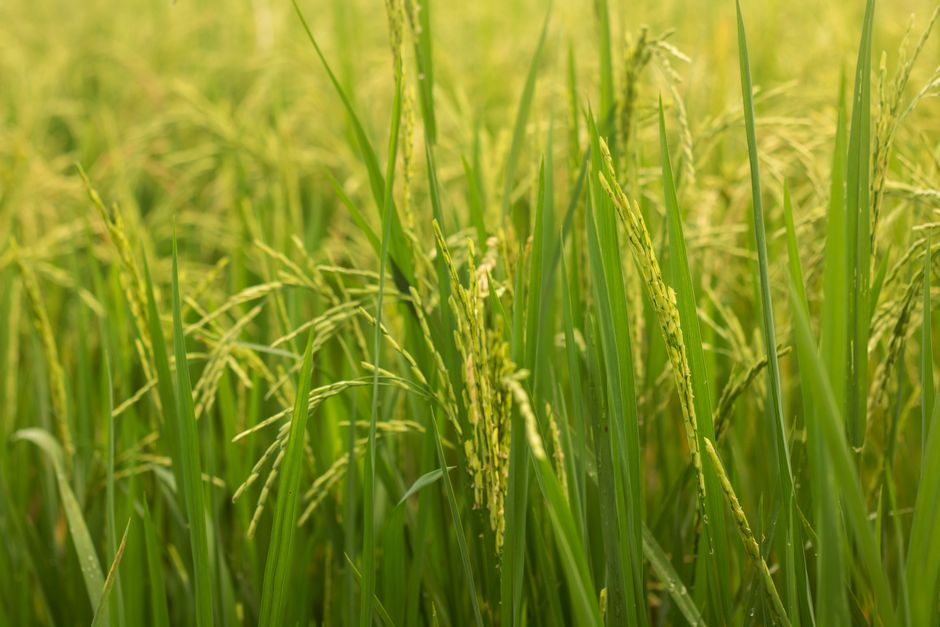
Crop insurance serves as a financial safety net for farmers, allowing them to mitigate the risks associated with farming. With climate change leading to unpredictable weather conditions, farmers are more vulnerable than ever. According to the National Agricultural Statistics Service, over 90% of U.S. farms rely on some form of crop insurance. This statistic highlights its importance in protecting not only individual farmers but also the broader agricultural economy.
Moreover, crop insurance helps stabilize farm income, particularly during adverse conditions such as drought or flooding. For instance, in 2020, the USDA reported that insured farmers received over $10 billion in indemnity payments due to natural disasters. This financial support enables them to recover and continue farming, thus ensuring food security.
Types of Crop Insurance
Crop insurance is not a one-size-fits-all solution; it comes in various forms to cater to different needs. The two main types are revenue insurance and yield insurance. Revenue insurance protects against a decline in revenue due to reduced yield or lower market prices, while yield insurance focuses solely on protecting against a drop in crop production.
For example, a farmer cultivating corn may opt for revenue insurance to safeguard against both poor yields and falling prices. This holistic approach ensures that they are protected from multiple angles, providing peace of mind and financial security.
How to Choose the Right Crop Insurance
Selecting the appropriate crop insurance can be daunting, given the myriad options available. Farmers must consider factors such as the type of crops they grow, their farming practices, and their financial situation. Consulting with agricultural extension services can provide invaluable guidance. These experts can help farmers assess their risks and understand the insurance products available to them.
Additionally, farmers should evaluate the claims process and the insurance provider’s reputation before making a decision. A reliable insurance company will not only offer competitive rates but also have a streamlined claims process, ensuring timely support when disaster strikes.
Government Support and Subsidies
The government plays a significant role in promoting crop insurance through subsidies and support programs. In the United States, the Federal Crop Insurance Program provides premium subsidies to farmers, making coverage more affordable. This initiative has led to increased participation in crop insurance, with over 80% of insurable acres covered by insurance.
Furthermore, the USDA offers additional support programs for disaster relief, ensuring that farmers have multiple layers of protection. These government interventions bolster the agricultural sector and contribute to the overall stability of the economy.
Future Trends in Crop Insurance
As technology continues to evolve, so too does the landscape of crop insurance. Innovations such as satellite imagery and precision agriculture are enabling insurers to assess risks more accurately and offer tailored products. Moreover, the integration of big data analytics allows for better prediction of crop yields and pricing, thus refining the insurance models available.
Farmers are also becoming more proactive in utilizing technology to manage their risks. For instance, many are now using mobile apps to monitor weather patterns and track crop health, leading to more informed decisions regarding insurance coverage.
In conclusion, understanding crop insurance is essential for farmers in today’s unpredictable agricultural landscape. By leveraging the right insurance products and government support, they can protect their livelihoods and contribute to global food security.
