
In the unpredictable world of agriculture, where weather patterns and market prices can shift dramatically, crop insurance emerges as a crucial tool for farmers. This financial safeguard not only helps mitigate risks associated with crop failures but also supports the overall stability of the agricultural sector. As we delve deeper into the specifics of crop insurance, we will explore its importance, types, benefits, and the critical role it plays in ensuring food security.
The Importance of Crop Insurance
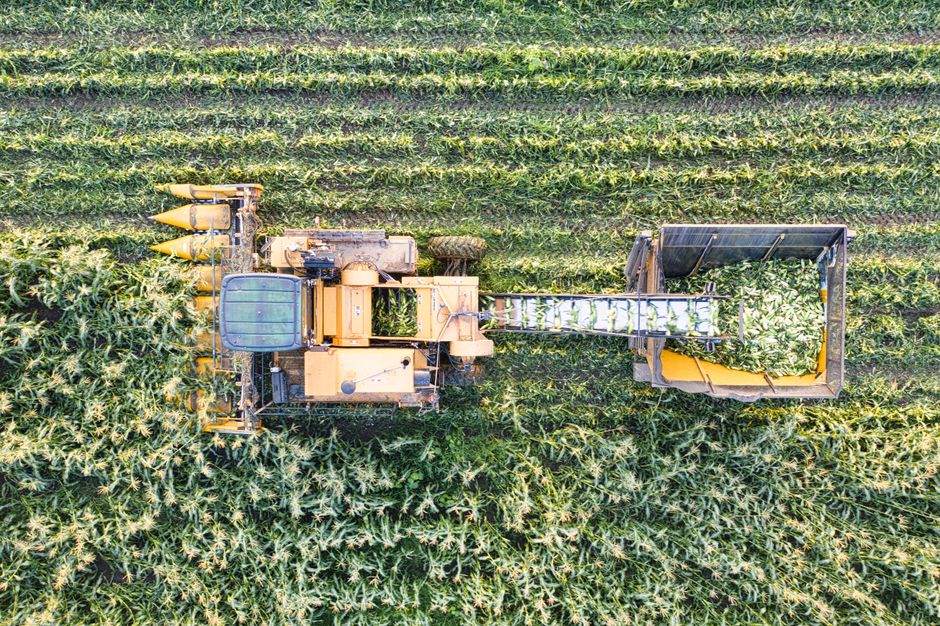
Crop insurance is essential for farmers, especially those who rely heavily on their harvests for income. With climate change leading to more extreme weather events, the risks faced by farmers have escalated. According to the National Crop Insurance Services, insured farmers are more resilient in the face of losses, allowing them to recover and continue farming instead of facing bankruptcy. This resilience is vital not only for the farmers themselves but also for the economy as a whole.
By providing a financial buffer, crop insurance enables farmers to invest in better farming practices and technologies. They can purchase high-quality seeds, invest in irrigation systems, and implement sustainable farming methods without the fear of losing everything due to unforeseen circumstances. Thus, crop insurance is not just a safety net; it is a catalyst for innovation and growth within the agricultural sector.
Types of Crop Insurance
There are primarily two types of crop insurance: Actual Production History (APH) insurance and Revenue Protection (RP) insurance. APH insurance covers losses based on the historical yield of a farmer’s crops, while RP insurance protects against losses in revenue due to low prices or reduced yields.
Moreover, there are also area-based insurance programs that provide coverage based on the average yield in a specific area, rather than an individual farm’s production. This can be particularly beneficial for farmers in regions where crop yields are affected by widespread environmental factors. Understanding these different types of insurance allows farmers to choose the best option for their particular situation.
Benefits of Crop Insurance
One of the significant benefits of crop insurance is that it aids in financial planning for farmers. With a reliable insurance policy, farmers can predict their cash flow better, allowing them to make informed decisions about investments and expenditures. Furthermore, many lenders require farmers to have crop insurance before they will extend credit, making insurance a fundamental requirement for securing funding.
Additionally, crop insurance contributes to the overall agricultural economy. When farmers are protected against losses, they are more likely to continue producing food, thereby ensuring a steady supply of agricultural products in the market. This stability helps maintain reasonable prices and reduces fluctuations in food availability.
The Process of Obtaining Crop Insurance
Obtaining crop insurance involves several steps. First, farmers must evaluate their needs based on their crop types, farming practices, and financial situation. Consulting with an insurance agent can provide valuable insights into the best coverage options available. After selecting a policy, farmers need to complete an application and provide relevant documentation, such as production history and farm management records.
Once the insurance is in place, farmers must adhere to the terms of the policy, which may include regular reporting of yields and losses. In the event of a loss, farmers can file a claim to receive compensation based on the terms of their policy. This process can often feel daunting, but it is critical for ensuring that farmers receive the protection they need.
Challenges and Considerations
While crop insurance offers numerous benefits, it is not without challenges. One of the primary concerns is the cost of premiums, which can be significant, especially for small-scale farmers. Additionally, there can be gaps in coverage that may leave farmers vulnerable to certain risks.
Farmers should also be aware of the terms and conditions of their policies to avoid misunderstandings during the claims process. Education and awareness are crucial in navigating the complexities of crop insurance. Many organizations offer resources and training to help farmers understand their options better.
In conclusion, crop insurance plays a pivotal role in sustaining the agricultural industry. By protecting farmers from the financial impacts of unpredictable events, crop insurance not only supports individual livelihoods but also contributes to the broader food supply chain. As agriculture continues to face new challenges, understanding and utilizing crop insurance will become increasingly vital.
For more detailed information on crop insurance, you can refer to this resource: crop insurance.
