
Greenhouses have become an essential part of modern agriculture, allowing growers to cultivate plants in a controlled environment. The right greenhouse equipment is crucial for ensuring optimal conditions for plant growth, productivity, and sustainability. From climate control systems to irrigation tools, understanding the various types of equipment available can significantly enhance your greenhouse operations.
Understanding Greenhouse Equipment
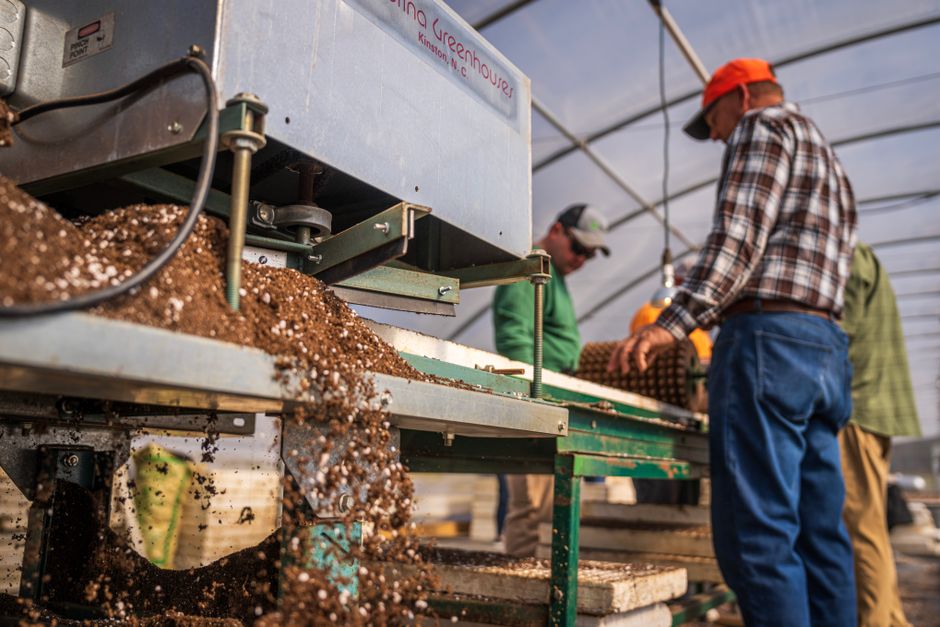
When it comes to greenhouse equipment, there are several categories to consider, including climate control, irrigation systems, and growing aids. Each of these plays a vital role in creating the perfect environment for plant growth. By investing in the right equipment, you can improve efficiency, reduce labor costs, and ensure a consistent yield throughout the growing season.
For instance, climate control equipment, such as heaters, fans, and ventilation systems, helps maintain the necessary temperature and humidity levels. The use of advanced technology in this area allows growers to monitor conditions remotely, ensuring that plants receive the optimal care they need.
Additionally, proper irrigation systems, including drip irrigation and misting systems, help conserve water while providing plants with the necessary moisture. This is especially important in regions where water resources are limited, making efficient irrigation practices a necessity for sustainable farming.
Climate Control Systems
Climate control systems are perhaps the most critical aspect of greenhouse equipment. These systems include heaters, air conditioning units, fans, and ventilation systems designed to regulate temperature and humidity effectively. A well-designed climate control system can lead to healthier plants, increased growth rates, and higher yields.
For example, during the winter months, heating systems are essential for maintaining suitable temperatures. Electric heaters, gas heaters, and even geothermal heating options are available, each with its pros and cons. Depending on the size of your greenhouse and the local climate, selecting the right heating system can make a significant difference in energy costs.
On the other hand, during hot summer months, ventilation becomes crucial. Exhaust fans and ridge vents work together to remove excess heat and humidity, preventing plant stress and diseases. Automated systems that adjust based on real-time conditions can optimize efficiency, making your greenhouse more productive.
Irrigation Solutions
Efficient irrigation is vital in greenhouse management. Traditional watering methods can lead to water wastage and inconsistent moisture levels, which can harm plant health. Thus, investing in modern irrigation solutions is essential for maximizing productivity.
Drip irrigation systems, for instance, deliver water directly to the plant’s root zone, minimizing evaporation and runoff. This targeted approach not only conserves water but also ensures that plants receive the precise amount of moisture they need. Additionally, incorporating timers and sensors can automate the irrigation process, allowing for precise scheduling and further reducing labor costs.
Moreover, misting systems are beneficial for maintaining humidity levels, especially for tropical plants that thrive in moist environments. These systems can also help cool the greenhouse during the hottest parts of the day, providing a dual function that supports plant health.
Growing Aids and Accessories
Aside from climate control and irrigation, a variety of growing aids and accessories can enhance greenhouse productivity. These include items such as grow lights, benches, and pest control systems. Each plays a specific role in supporting plant health and growth.
Grow lights are essential for extending the growing season, especially in regions with limited sunlight. LED grow lights, in particular, have gained popularity due to their energy efficiency and effectiveness in promoting plant growth. By providing the right spectrum of light, these lights can improve photosynthesis and accelerate growth rates.
Additionally, benches and shelving systems help maximize space within the greenhouse, allowing for better organization and accessibility. This can lead to increased efficiency in planting, maintaining, and harvesting crops.
Choosing the Right Greenhouse Equipment
Selecting the appropriate greenhouse equipment involves understanding your specific needs, budget, and the types of plants you intend to grow. It is essential to assess the size of your greenhouse and the climate conditions in your area.
Before making a purchase, consider researching different brands and models, comparing their features, costs, and user reviews. Consulting with experts or visiting local agricultural shows can provide invaluable insights into the best equipment suited for your greenhouse.
As you evaluate your options, remember that investing in quality equipment can lead to long-term savings and increased productivity. It’s not just about the initial cost; consider the overall efficiency, durability, and potential for automation in your choices.
Conclusion
In conclusion, understanding and investing in the right greenhouse equipment is vital for successful plant cultivation. From climate control systems to efficient irrigation and growing aids, each piece of equipment plays a crucial role in creating an ideal environment for plant growth. By making informed decisions and selecting high-quality products, you can optimize your greenhouse operations, ensuring healthy plants and profitable yields. For those looking to explore various options, comprehensive resources are available, including specialized greenhouse equipment that cater to diverse agricultural needs.
