
In today’s world, renting an apartment or house has become increasingly common. However, many renters overlook the importance of securing renters insurance. This insurance not only protects your belongings but also offers peace of mind in case of unforeseen events. In this article, we will explore what renters insurance is, why it is essential, and how to choose the right policy for your needs.
What is Renters Insurance?
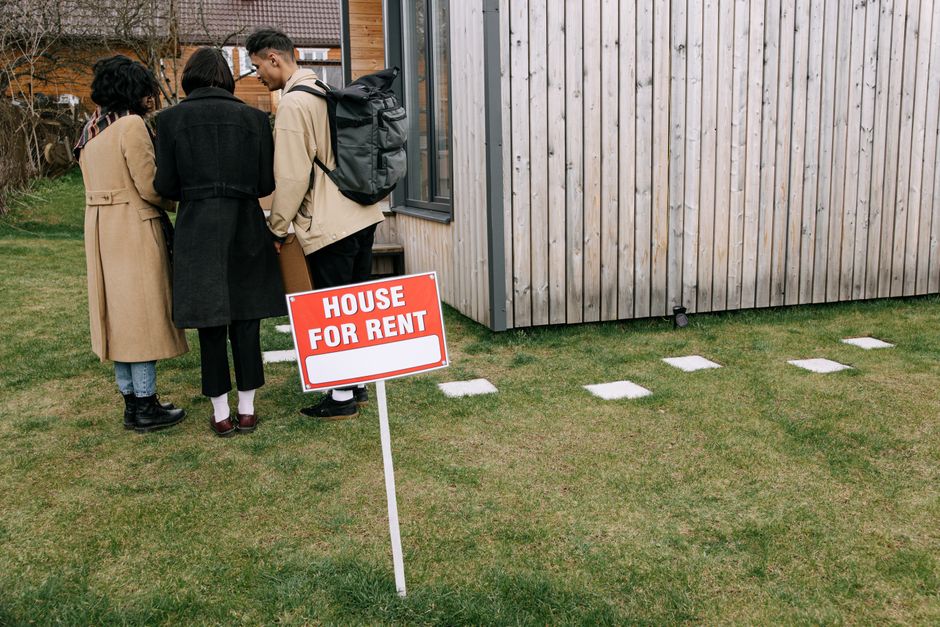
Renters insurance is a type of insurance that provides coverage for a tenant’s personal property within a rented residence. Unlike homeowners insurance, which covers the building itself, renters insurance focuses on the belongings of the tenant. This includes furniture, electronics, clothing, and other personal items. Additionally, renters insurance often includes liability coverage, which protects the renter if someone gets injured while on the property.
Most policies cover losses due to theft, fire, vandalism, and certain types of water damage. However, it’s important to note that natural disasters like floods and earthquakes are typically not included unless you purchase additional coverage. Understanding the specifics of your policy is crucial in ensuring adequate protection.
Why Do You Need Renters Insurance?
Many renters mistakenly believe that their landlord’s insurance will cover their personal belongings. However, this is not the case. Landlord insurance only covers the physical structure of the property and not the tenant’s possessions. Without renters insurance, you risk losing everything you own in the event of a disaster.
According to the Insurance Information Institute, around 30% of renters have renters insurance. This means that the majority of tenants are unprotected. For a small monthly premium, you can secure your belongings and gain liability coverage that can save you from financial ruin.
How to Choose the Right Renters Insurance Policy
When selecting a renters insurance policy, there are several factors to consider. First and foremost, assess the value of your personal property. Make a list of your belongings and their estimated worth to determine the amount of coverage you need. Most policies offer coverage options based on actual cash value or replacement cost, so choose the one that fits your needs.
Additionally, shop around and compare quotes from different insurance providers. Look for discounts that may apply to you, such as bundling your renters insurance with auto insurance. Don’t hesitate to ask questions and clarify any uncertainties with your insurance agent.
Another critical aspect to consider is the deductible—the amount you will pay out of pocket before your insurance coverage kicks in. A higher deductible may lower your monthly premium, but it also means you’ll pay more in the event of a claim. Strike a balance that aligns with your financial situation.
Common Misconceptions About Renters Insurance
There are several misconceptions surrounding renters insurance that can deter people from purchasing it. One common myth is that renters insurance is too expensive. In reality, the average cost is relatively low, typically ranging from $15 to $30 per month, depending on the coverage and location.
Another misconception is that only those with high-value belongings need renters insurance. However, even if you have a modest amount of personal property, a loss can be financially devastating. Renters insurance is not just for those with expensive electronics or designer clothing; it is essential for anyone who rents a home.
Conclusion
In conclusion, renters insurance is a vital coverage option for anyone renting a home. It protects your personal belongings and provides liability coverage, ensuring that you are financially secure in the event of a disaster. Don’t wait until it’s too late—consider obtaining renters insurance to safeguard your possessions and gain peace of mind. With the right policy, you can enjoy your rented space without the constant worry of what might happen if disaster strikes.
