
In the quest for flawless skin, many individuals turn to various cosmetic treatments, with chemical peels emerging as a highly sought-after option. This treatment not only promises to rejuvenate the skin but also addresses a myriad of skin concerns, from acne scars to sun damage. Understanding the intricacies of chemical peel treatments can empower individuals to make informed decisions about their skincare journeys.
What is a Chemical Peel?
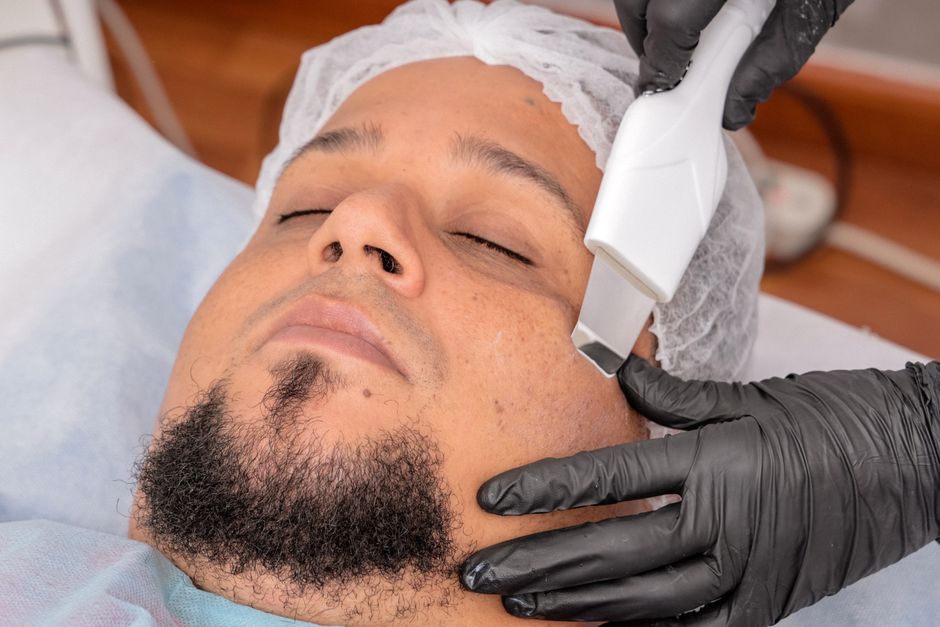
A chemical peel is a cosmetic treatment that involves the application of a chemical solution to the skin, aiming to remove the outer layer of dead skin cells. This process stimulates the regeneration of new skin cells, resulting in a brighter and smoother complexion. Chemical peels can vary in strength—from superficial peels that target only the outermost layer of skin to deep peels that penetrate more profoundly.
Typically, these treatments are categorized into three main types: superficial, medium, and deep peels. Superficial peels utilize mild acids like alpha-hydroxy acid (AHA) to gently exfoliate the skin, while medium peels often contain trichloroacetic acid (TCA) for more significant results. Deep peels, on the other hand, involve stronger chemicals and may require longer recovery periods.
The Benefits of Chemical Peels
Chemical peel treatments offer a range of benefits that cater to various skin issues. One of the primary advantages is the reduction of fine lines and wrinkles, as the peeling process encourages collagen production. Additionally, those struggling with acne can experience significant improvements, as chemical peels help clear clogged pores and reduce inflammation.
Moreover, chemical peels can effectively diminish hyperpigmentation and even out skin tone, making them an excellent choice for individuals dealing with sun damage or melasma. Regular treatments can lead to a more youthful appearance and improved skin texture, enhancing overall confidence.
What to Expect During the Treatment
Before undergoing a chemical peel, it is essential to consult with a qualified dermatologist or skincare professional. During the consultation, the practitioner will assess your skin type and concerns, recommending the most suitable peel for your needs. This initial evaluation is crucial for achieving optimal results.
On the day of the treatment, the skin will be thoroughly cleansed, and the chemical solution will be applied. Depending on the strength of the peel, you may experience a tingling sensation or mild discomfort. After the treatment, your skin may appear red and feel sensitive, similar to a mild sunburn.
Post-Treatment Care and Recovery
Following a chemical peel, proper aftercare is critical for maximizing results and minimizing complications. Patients are advised to avoid sun exposure, as freshly peeled skin is particularly vulnerable to UV damage. Wearing sunscreen daily and using gentle, hydrating products can aid in the healing process.
It is also essential to refrain from picking at the peeling skin, as this can lead to scarring or infections. In the days following the treatment, you may notice peeling and flaking, which is a normal part of the healing process. Most patients can return to their regular skincare routines within a week, depending on the depth of the peel.
For those considering chemical peels, it is recommended to undergo treatments every few months to maintain results and continue improving skin texture. Regular treatments can lead to cumulative benefits, resulting in a more radiant complexion over time.
Is a Chemical Peel Right for You?
Chemical peels can be a transformative treatment for many individuals; however, they may not be suitable for everyone. Those with certain skin conditions, such as eczema or rosacea, may need to explore alternative options. Additionally, individuals with darker skin tones should consult with a professional to determine the best approach, as some peels can cause hyperpigmentation.
Ultimately, the decision to undergo a chemical peel should be based on thorough research and professional guidance. By understanding the procedure, benefits, and aftercare involved, individuals can feel confident in their choice to rejuvenate their skin.
For those seeking more information on the specifics of the chemical peel treatment, it is advisable to consult with a qualified dermatologist who can provide personalized recommendations.
