
Aquaponics is an innovative method of food production that combines aquaculture (raising fish) and hydroponics (growing plants in water) in a symbiotic environment. As the demand for sustainable and efficient farming techniques grows, aquaponics kits have emerged as a practical solution for home gardeners and small-scale farmers alike. This article explores the benefits, components, and tips for successfully using aquaponics kits to cultivate fresh produce and fish.
Understanding Aquaponics: The Basics
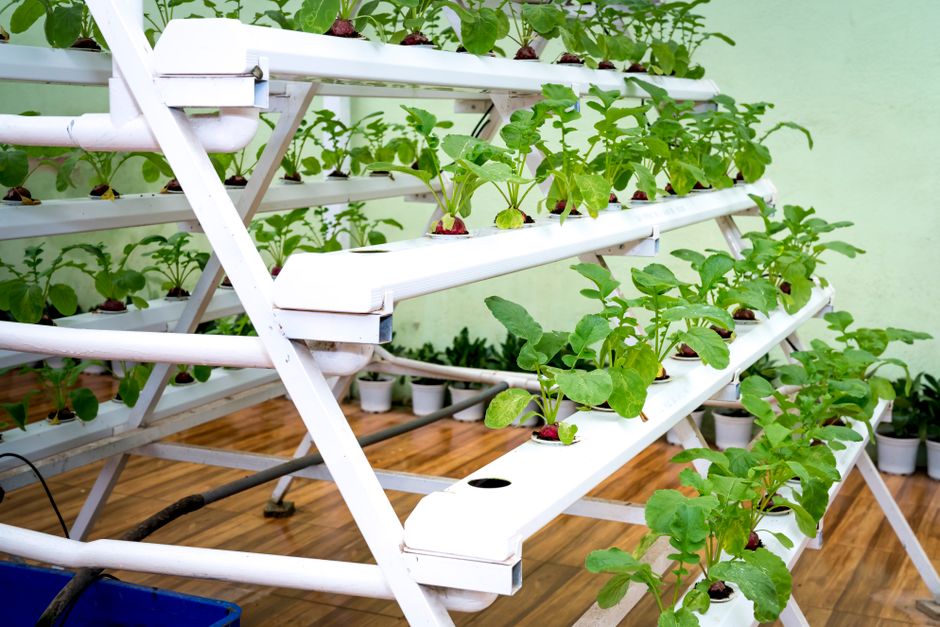
Aquaponics operates on a simple yet effective principle: fish waste provides organic nutrients for the plants, while the plants filter and purify the water for the fish. This closed-loop system not only maximizes resource efficiency but also minimizes environmental impact. According to recent studies, aquaponics can produce up to ten times more food per square foot than traditional farming methods, making it an attractive option for urban dwellers with limited space.
Furthermore, aquaponics systems can be set up indoors or outdoors, depending on available space and climate. This flexibility allows individuals to grow fresh vegetables and fish year-round, regardless of external weather conditions. With the rising interest in home gardening and self-sufficiency, aquaponics kits are becoming increasingly popular among enthusiasts.
The Components of an Aquaponics Kit
Most aquaponics kits come with essential components that make it easy for beginners to start their own aquaponics garden. Key components typically include a fish tank, grow beds, a water pump, and a filtration system. The fish tank serves as the heart of the system, where fish such as tilapia or goldfish are raised. The grow beds, filled with a growing medium like clay pellets or gravel, provide a space for plants to thrive.
The water pump circulates water between the fish tank and the grow beds, ensuring that both fish and plants receive the necessary nutrients. Additionally, a filtration system helps to remove any solid waste from the water, maintaining a healthy environment for the fish. Many kits also include an instruction manual and online resources to assist users in setting up and maintaining their systems.
Choosing the Right Plants and Fish
One of the exciting aspects of using an aquaponics kit is the variety of plants and fish that can be grown together. Common fish species for aquaponics include tilapia, catfish, and trout, while popular plants include lettuce, herbs, and tomatoes. It’s crucial to choose plants and fish that are compatible in terms of their environmental requirements, such as temperature and pH levels.
A good rule of thumb is to select fast-growing plants, which can help establish the system quickly and provide a source of nutrients for the fish. Additionally, incorporating a variety of plants can lead to a more balanced ecosystem, enhancing the overall health of the aquaponics system. Many gardeners also experiment with different species to find the best combinations for their specific conditions.
Maintaining Your Aquaponics System
Proper maintenance is essential for the success of any aquaponics system. Regular monitoring of water quality parameters such as pH, ammonia, nitrite, and nitrate levels is crucial to ensure a balanced ecosystem. Performing routine water changes and cleaning the system components can help prevent the buildup of harmful substances.
Feeding the fish appropriately and ensuring they are healthy is also vital. A well-fed fish will produce more waste, providing more nutrients for the plants. Additionally, regular harvesting of plants can help maintain the system’s balance and encourage new growth. Keeping a journal of your observations and experiences can be beneficial in making adjustments and improving your aquaponics techniques over time.
Exploring the Benefits of Aquaponics Kits
Using an aquaponics kit offers numerous advantages, including increased food security, reduced environmental impact, and enhanced nutritional value of homegrown produce. By raising fish and growing plants in a sustainable manner, individuals can contribute to a more resilient food system. Furthermore, aquaponics promotes biodiversity, as it encourages the cultivation of multiple species in a single system.
Additionally, aquaponics can be a rewarding and educational hobby for families and individuals alike. It provides hands-on experience with sustainable practices and can foster a deeper understanding of ecosystems and food production. As the interest in sustainable living grows, investing in an aquaponics kit is a step toward a more eco-conscious lifestyle. To find the right setup for your needs, consider exploring various options available online, such as an aquaponics kit.
Conclusion: The Future of Urban Farming
In conclusion, aquaponics kits represent a promising solution for sustainable urban farming. By integrating fish and plant cultivation in a harmonious system, these kits provide a unique opportunity to produce fresh food while conserving resources. With the right knowledge and commitment, anyone can embark on their aquaponics journey, contributing to a more sustainable future. As technology advances and more people become aware of the benefits of aquaponics, we can expect to see a significant shift in how we approach food production in urban environments.
