
Book production is a multifaceted process that combines creativity, technical skill, and logistical coordination. From the initial concept to the final printed product, every step is crucial in ensuring that the finished book meets the expectations of both the author and the reader. In this guide, we will explore the various stages of book production, the technologies involved, and the best practices for achieving a high-quality publication.
Understanding the Book Production Process
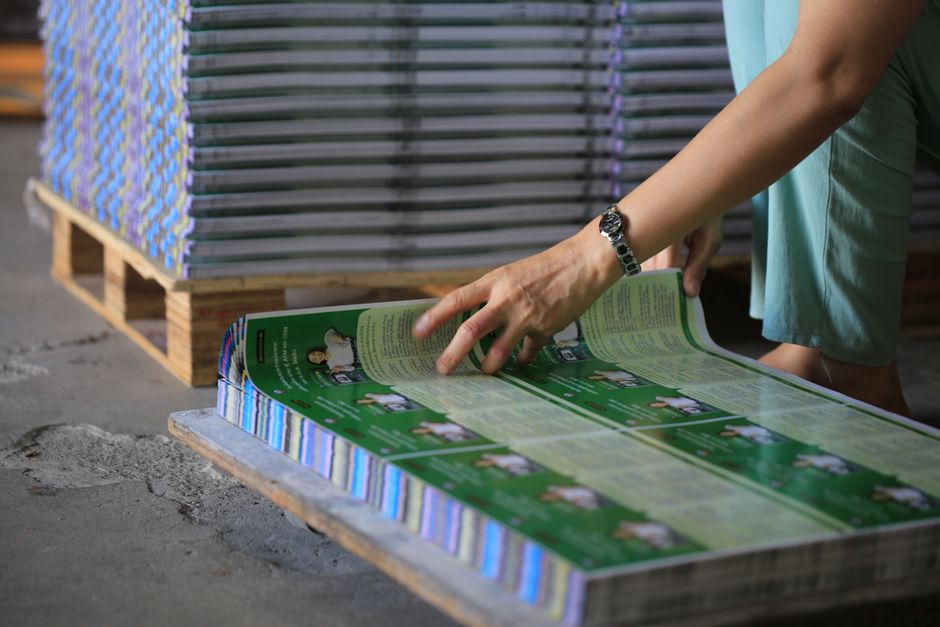
The process of book production can be broken down into several key stages: planning, writing, editing, design, printing, and distribution. Each of these stages requires specific skills and tools to ensure that the end product is polished and professional.
Planning involves defining the book’s objectives, target audience, and overall concept. This stage sets the foundation for everything that follows, making it vital to invest time in thorough research and brainstorming.
Writing is where the author’s creativity shines, but it is also where careful consideration must be given to structure, tone, and style. Many authors find it helpful to create outlines or drafts before diving into the final manuscript.
The Role of Editing in Book Production
Editing is one of the most important stages in book production. It involves multiple rounds of revisions, including content editing, copyediting, and proofreading. Each type of editing serves a different purpose, with content editing focusing on the overall flow and structure of the manuscript, while copyediting addresses grammar, punctuation, and style consistency.
Many authors choose to hire professional editors to ensure that their work is polished and free of errors. This investment can significantly enhance the quality of the final product, making it more appealing to readers and publishers alike.
Furthermore, feedback from beta readers during the editing process can provide valuable insights and help refine the manuscript before it is sent to print.
Designing the Book: Layout and Cover
The design of a book includes both the interior layout and the cover design. A well-designed cover not only attracts readers but also communicates the essence of the book’s content. Graphic designers often collaborate with authors and publishers to create covers that are visually compelling while aligning with market trends.
The interior layout must be carefully considered to ensure that the text is easy to read and visually appealing. Factors such as font choice, spacing, and chapter organization play a significant role in the reader’s experience. Tools like Adobe InDesign are commonly used for this purpose, allowing designers to create professional-quality layouts.
Printing Options and Technologies
Once the manuscript is finalized and the design is complete, the next step is printing. Authors and publishers have several options when it comes to printing, including offset printing and digital printing. Offset printing is often used for larger print runs, as it provides high-quality results at a lower cost per unit. In contrast, digital printing is ideal for smaller runs or print-on-demand services, allowing for greater flexibility and lower upfront costs.
Recent advancements in printing technologies have also made it possible to produce high-quality books more efficiently. For instance, print-on-demand services enable authors to print copies only as needed, reducing waste and storage costs.
Distribution and Marketing Strategies
The final stage in book production is distribution, which involves getting the book into the hands of readers. This can be done through various channels, including online retailers, bookstores, and libraries. Each distribution channel has its own benefits and challenges, and authors must consider their target audience when deciding where to sell their books.
Marketing is equally important in ensuring that the book reaches its intended audience. Strategies can include social media promotion, book signings, and outreach to book bloggers and reviewers. Many authors also find success in creating an author website to showcase their work and connect with readers.
For those looking to turn personal projects into published works, services that allow you to turn cards into a book uk can be invaluable in bringing creative ideas to fruition.
Conclusion: The Future of Book Production
As technology continues to evolve, the landscape of book production is changing rapidly. From digital publishing to innovative printing solutions, authors and publishers have more tools than ever to create and distribute their work. Understanding the intricacies of the book production process is essential for anyone looking to succeed in this competitive industry. By focusing on quality at every stage—from writing and editing to design and distribution—authors can ensure that their books not only meet but exceed the expectations of readers.
