
In the rapidly evolving landscape of the 21st century, education is undergoing a significant transformation. The integration of technology into learning environments is not just a trend; it has become a necessity. This article explores the current state of education, the challenges faced, and the innovative solutions that are shaping the future of learning. As we delve into this topic, we will also examine various educational models and their effectiveness in preparing students for a complex world.
The Role of Technology in Modern Education
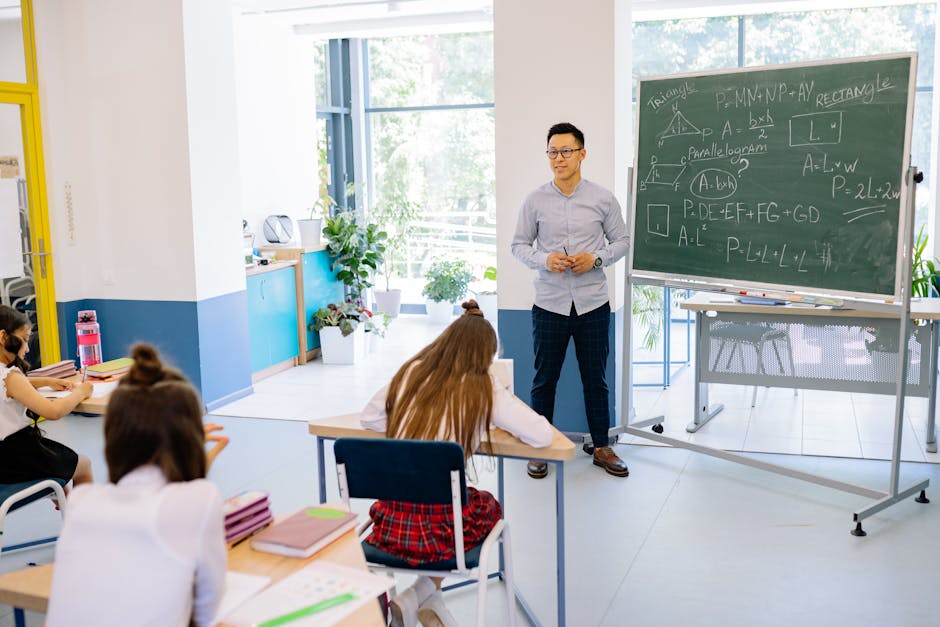
The introduction of technology into classrooms has revolutionized how knowledge is imparted and absorbed. With tools such as interactive whiteboards, tablets, and online resources, teachers can engage students in ways that were previously unimaginable. According to a report by the National Center for Education Statistics, approximately 94% of teachers use technology in their teaching. This percentage reflects a significant shift towards a more interactive and engaging educational experience.
Moreover, online learning platforms have gained immense popularity, particularly in the wake of the COVID-19 pandemic. Platforms like Coursera and Khan Academy have made quality education accessible to millions around the globe. These resources provide students with the flexibility to learn at their own pace and revisit challenging topics as needed. However, while the benefits of technology in education are evident, it is crucial to acknowledge the digital divide that exists, where not all students have equal access to these resources.
Innovative Educational Models
As traditional educational systems face scrutiny, alternative models are emerging that prioritize personalized learning. One such model is the flipped classroom approach, where students learn new content at home through videos or readings and engage in hands-on activities in class. This method allows teachers to spend more time facilitating discussions and addressing individual student needs.
Another innovative model is project-based learning (PBL), which emphasizes real-world problem-solving and collaboration. In PBL, students work on projects that require critical thinking, creativity, and teamwork. A study conducted by the Buck Institute for Education found that students who participated in PBL scored higher on standardized tests compared to their peers in traditional classrooms. This approach not only enhances academic performance but also prepares students for the workforce by developing essential skills.
The Importance of Lifelong Learning
In today’s fast-paced world, the concept of lifelong learning has gained traction. With the rapid advancement of technology and the constant evolution of industries, individuals must continuously update their skills to remain relevant. According to the World Economic Forum, by 2025, 85 million jobs may be displaced by a shift in labor between humans and machines, while 97 million new roles may emerge that are more adapted to the new division of labor.
This reality underscores the importance of creating a culture of lifelong learning within educational institutions. Schools and universities should not only focus on imparting knowledge but also on instilling a love for learning that lasts beyond formal education. Programs that encourage self-directed learning and critical thinking are essential in preparing students for a future where adaptability and continuous growth are key.
Addressing Educational Inequalities
Despite the advancements in educational technology and innovative teaching methods, significant inequalities persist in access to quality education. Marginalized communities often face barriers that hinder their educational opportunities, such as inadequate resources, underfunded schools, and lack of qualified teachers. According to UNESCO, around 258 million children and youth are out of school worldwide, highlighting the urgent need for policy reforms and targeted interventions.
To address these disparities, governments and organizations must collaborate to create equitable educational systems. Initiatives such as providing scholarships, increasing funding for underprivileged schools, and implementing mentorship programs can help bridge the gap. Furthermore, integrating community involvement and parental engagement in the education process can foster an environment where every child has the opportunity to succeed.
Conclusion: The Future of Education
In conclusion, the future of education is bright yet challenging. As we embrace the potential of technology and innovative teaching methods, it is essential to remain vigilant about the inequalities that still exist. By focusing on personalized learning, fostering a culture of lifelong learning, and addressing educational disparities, we can create an inclusive environment where every student has the opportunity to thrive. As we look ahead, it is clear that the transformation of education is not just about technology; it’s about creating a system that values and nurtures the potential of every learner. For those interested in exploring further educational resources, platforms like toto togel offer valuable insights.
