
Perfume has long been a fascinating aspect of human culture, transcending time and geography. From ancient Egypt, where fragrances were used in religious rituals, to modern-day haute couture, perfumes serve not only as personal adornments but as expressions of identity. This article delves into the intricate world of fragrance, exploring its history, the science behind scent, and the artistry involved in crafting a perfume.
The Historical Journey of Perfume
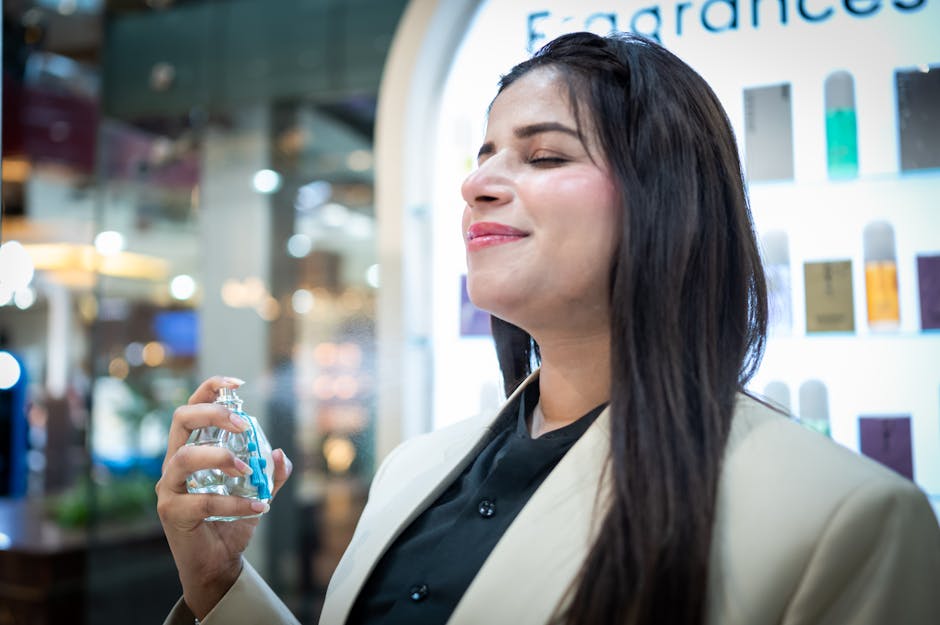
Perfume’s history dates back thousands of years, with the earliest records found in ancient Mesopotamia and Egypt. The Egyptians used fragrances in their daily lives, often associating scents with the divine. They created perfumes using a variety of natural ingredients, including flowers, herbs, and spices. The word ‘perfume’ itself comes from the Latin ‘per fumum,’ which means ‘through smoke,’ referring to the ancient practice of burning incense.
As trade routes expanded, the art of perfumery spread across the globe. In the Middle Ages, perfumes became popular in Europe, particularly among the aristocracy. The Renaissance period saw the establishment of perfume houses, laying the groundwork for modern perfumery. Notably, the introduction of alcohol as a base for fragrances revolutionized the industry, allowing for a wider range of compositions and longer-lasting scents.
Today, perfume is a multi-billion dollar industry, with renowned brands and niche houses producing an array of fragrances. Each bottle tells a story, encapsulating the essence of its creator’s vision.
The Science Behind Scent
Understanding perfume involves more than just appreciating its fragrance; it requires a look into the science of olfaction. The human nose can detect approximately one trillion different scents, thanks to a complex system of olfactory receptors. When we smell a fragrance, molecules in the air bind to these receptors, sending signals to the brain that trigger emotional responses and memories.
The structure of a perfume typically consists of three layers: top notes, middle notes, and base notes. Top notes are the first scents perceived upon application, often light and fresh. Middle notes emerge once the top notes fade, forming the heart of the fragrance. Finally, base notes provide depth and longevity, anchoring the scent.
In crafting a perfume, perfumers consider the balance and harmony of these notes, creating a symphony of scents that evolve over time. This meticulous process is akin to composing music, where each ingredient plays its part in the overall composition.
The Art of Crafting Perfume
Creating a perfume is a delicate art that combines creativity with technical knowledge. Perfumers, often referred to as ‘noses,’ undergo extensive training to develop their skills. They must understand the properties of various ingredients, as well as how they interact with one another. This knowledge allows them to create unique fragrances that resonate with consumers.
One notable example of this artistry can be seen in the work of Maison Francis Kurkdjian (MFK), a brand celebrated for its innovative and elegant scents. Founded by Francis Kurkdjian, a perfumer who gained fame for his ability to blend traditional techniques with modern sensibilities, MFK has produced iconic fragrances that have captivated audiences worldwide.
Moreover, sustainable practices are becoming increasingly important in perfumery. Many brands are now focusing on sourcing natural ingredients responsibly and minimizing their environmental impact, a trend that reflects the growing consumer demand for ethical products.
Perfume as an Expression of Identity
Perfume is not just a scent; it is an extension of one’s identity. The fragrance one chooses can evoke emotions, memories, and even influence social interactions. Studies have shown that people often associate certain scents with specific traits or characteristics, leading to the notion that fragrances can enhance one’s persona.
Furthermore, the trend towards personalization in the fragrance market has gained traction. Consumers are increasingly seeking unique scents that reflect their individuality. This has led to a rise in bespoke perfumery, where clients can work directly with perfumers to create a custom fragrance tailored to their preferences.
The impact of scent on memory and emotion is profound. For instance, a particular perfume may evoke memories of a loved one or a significant moment, making it a powerful tool for connection and nostalgia.
Conclusion: The Timeless Appeal of Perfume
Perfume remains an enduring element of human culture, bridging the gap between art and science. Its history is rich, its composition is complex, and its ability to evoke emotions is unparalleled. As we continue to explore the world of fragrance, it is clear that perfume will forever hold a special place in our lives, offering a unique blend of personal expression and sensory experience. Whether you are drawn to classic scents or modern creations, the world of perfume invites you to discover and celebrate the art of fragrance.
