
The landscape of business has evolved significantly over the years, with distributors playing a crucial role in the supply chain. Distributors serve as the bridge between manufacturers and retailers, ensuring that products reach consumers efficiently. This article delves into the various functions of distributors, their importance in the market, and how businesses can leverage their services to maximize growth.
Understanding the Distributor’s Role
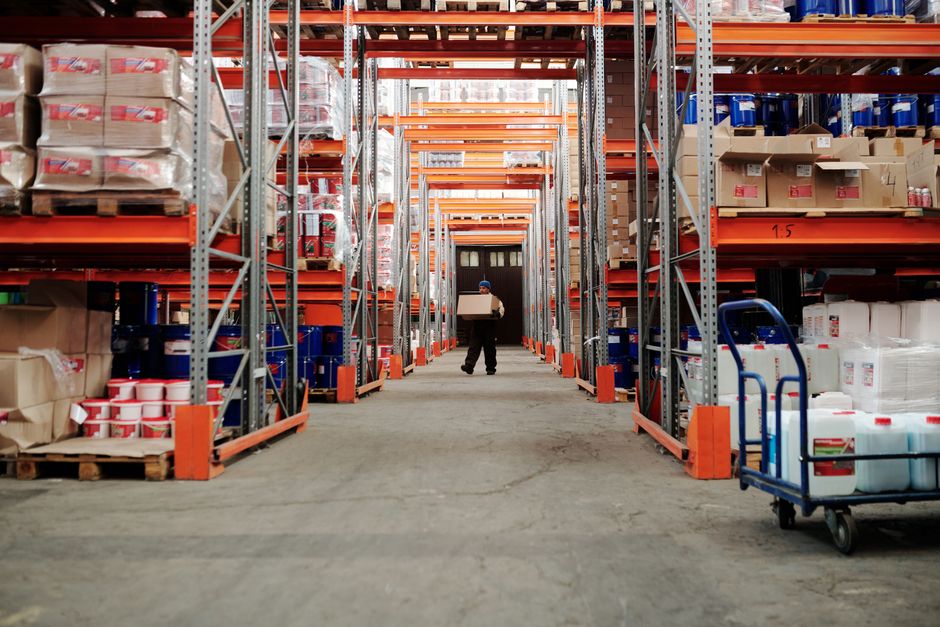
At its core, a distributor is an entity that purchases products from manufacturers and sells them to retailers or directly to consumers. This relationship is vital, as it allows manufacturers to focus on production while distributors handle the logistics of getting products to market. Distributors often provide a range of services, including inventory management, order fulfillment, and customer service.
Furthermore, distributors can add value by providing market insights and feedback to manufacturers about consumer preferences and trends. This information is crucial for manufacturers looking to adjust their product offerings to better meet market demands.
According to a report by IBISWorld, the distribution industry has seen steady growth over the past five years, with an annual growth rate of approximately 4.2%. This growth is attributed to the increasing demand for efficient logistics and supply chain management in various sectors.
Types of Distributors
Distributors can be categorized into several types, each serving different market needs. The primary types include:
- Wholesale Distributors: These distributors purchase large quantities of goods directly from manufacturers and sell them in smaller quantities to retailers.
- Direct Distributors: These entities sell products directly to consumers, bypassing traditional retail channels. This model has gained popularity with the rise of e-commerce.
- Specialty Distributors: These distributors focus on specific product categories, such as electronics or food products, offering tailored services and expertise.
Understanding the type of distributor that best fits a business’s needs is essential for optimizing the supply chain and ensuring timely delivery of products to consumers.
The Benefits of Partnering with Distributors
There are numerous advantages to collaborating with distributors. Firstly, they have established networks that can facilitate quicker market entry for manufacturers. By leveraging a distributor’s existing relationships with retailers, manufacturers can significantly reduce the time it takes to get their products on store shelves.
Additionally, distributors often have extensive knowledge of the local market, which can be invaluable for manufacturers looking to expand their reach. They can provide insights into pricing strategies, promotional tactics, and customer preferences, helping businesses to tailor their offerings accordingly.
For example, a manufacturer of skincare products might partner with a distributor like GLOW that specializes in beauty and wellness products. This partnership allows the manufacturer to tap into the distributor’s expertise and customer base, increasing the likelihood of successful product launches.
Challenges in Distribution
Despite the benefits, there are also challenges associated with working with distributors. One major concern is the potential for misalignment between the distributor’s goals and those of the manufacturer. It is crucial for both parties to establish clear communication and expectations to ensure a successful partnership.
Additionally, reliance on distributors can lead to a loss of control over branding and customer experience. Manufacturers must ensure that their brand values are upheld throughout the distribution process, which can be difficult when multiple parties are involved.
To mitigate these challenges, businesses should conduct thorough research and due diligence when selecting distributors. Establishing strong relationships built on trust and transparency can help to overcome potential obstacles.
The Future of Distributors
As technology continues to advance, the role of distributors is expected to evolve. The rise of e-commerce and direct-to-consumer models is prompting distributors to adapt and innovate. Many are investing in technology to improve inventory management, streamline logistics, and enhance customer engagement.
Moreover, sustainability is becoming a critical focus for many distributors. Consumers are increasingly demanding environmentally friendly products, and distributors who can offer sustainable options are likely to have a competitive edge.
In conclusion, the role of distributors in the modern business landscape is more critical than ever. By understanding the various types of distributors, their benefits, and the challenges they present, manufacturers can make informed decisions that drive growth and success in an increasingly competitive market.
