
Bedbugs, those pesky little insects, have been a nuisance for centuries. Known for their ability to hide and reproduce quickly, they can turn any peaceful home into a battleground. As awareness grows, many homeowners find themselves asking: what are the most effective methods for bedbug extermination? In this article, we will explore various strategies, preventative measures, and professional treatments that can help you reclaim your space.
Understanding Bedbugs
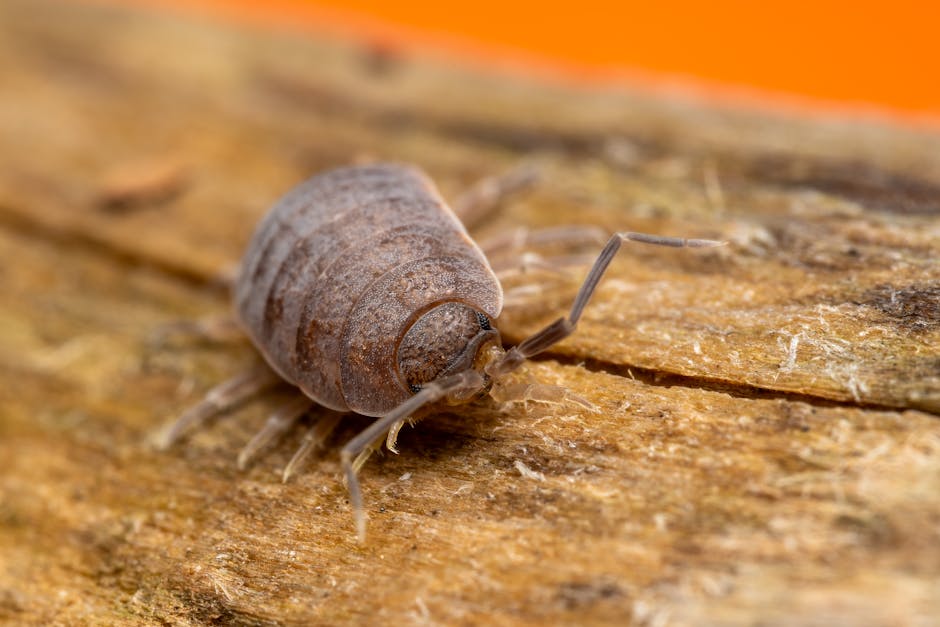
Before diving into extermination techniques, it’s essential to understand what bedbugs are. These small, wingless insects typically feed on human blood while people sleep. They thrive in various environments, from luxurious hotels to modest homes.
Bedbugs are elusive creatures, often hiding in the seams of mattresses, behind headboards, and even in furniture joints. Their ability to reproduce rapidly complicates extermination efforts, making early detection crucial. According to a survey by the National Pest Management Association, 97% of pest control professionals have encountered bedbugs in the past year, highlighting the prevalence of these pests.
Signs of Infestation
Identifying the signs of a bedbug infestation is the first step towards effective extermination. Common indicators include:
- Itchy bites on the skin, often in a line or cluster.
- Small reddish-brown stains on sheets or mattresses, which are droppings.
- Shedding of bedbug skins, which resemble tiny, empty shells.
- Musty odors in areas where bedbugs are prevalent.
If you notice these signs, it’s crucial to act quickly. Ignoring an infestation can lead to a more extensive and costly problem down the line.
DIY Extermination Techniques
For those who prefer a hands-on approach, several DIY methods can help in bedbug extermination. Here are some effective techniques:
1. **Heat Treatment**: Bedbugs are sensitive to heat. Washing bedding and clothes in hot water and then drying them on a high heat setting can kill bedbugs and their eggs.
2. **Vacuuming**: Use a vacuum cleaner with a HEPA filter to remove bedbugs and their eggs from surfaces. Be sure to dispose of the vacuum bag immediately to prevent re-infestation.
3. **Diatomaceous Earth**: This natural powder can be sprinkled around infested areas. It works by dehydrating bedbugs when they come into contact with it.
4. **Cold Treatment**: If items cannot be washed or heated, placing them in a freezer at 0°F (-18°C) for at least four days can also kill bedbugs.
While these methods can be effective, they often require persistence and thoroughness. For severe infestations, professional assistance may be necessary.
Professional Extermination Services
When DIY methods fall short, consulting a professional exterminator is the best course of action. Professional services utilize a combination of techniques and equipment that are often beyond the reach of homeowners. Here are some benefits of hiring experts:
1. **Advanced Techniques**: Professionals have access to specialized tools and treatments, such as heat treatments and chemical pesticides that are not available to the general public.
2. **Expertise**: Experienced exterminators can accurately identify the extent of the infestation and tailor a treatment plan that suits your specific situation.
3. **Long-term Solutions**: Many pest control companies offer follow-up services and guarantees, ensuring that the problem does not return.
For those considering professional help, it’s important to inquire about the safety and effectiveness of their methods, especially if children or pets are present in the home. Additionally, look for companies that provide comprehensive bed bug treatment options.
Preventative Measures
Once you’ve successfully exterminated bedbugs, the next step is to prevent them from returning. Here are some practical tips:
1. **Regular Inspections**: Periodically check your bedding and furniture for signs of bedbugs, especially after traveling or using second-hand items.
2. **Protective Covers**: Use mattress and box spring encasements designed to trap bedbugs and prevent new infestations.
3. **Decluttering**: Reducing clutter around your home minimizes bedbug hiding spots.
4. **Travel Precautions**: When staying in hotels, inspect the room for bedbugs and keep luggage off the floor.
By following these preventative measures, you can significantly reduce the chances of a future infestation.
Conclusion
Bedbug extermination is a multifaceted process that requires knowledge, persistence, and often, professional assistance. Understanding the signs of infestation, employing effective extermination methods, and implementing preventative strategies are crucial steps in reclaiming your home from these unwelcome guests. Whether you choose to tackle the issue yourself or hire professionals, timely action is key to successful bedbug extermination.
