
Aerial drone photography has revolutionized the way we capture and perceive the world around us. With the advent of advanced drone technology, photographers and videographers are now able to achieve stunning perspectives that were once only attainable through expensive helicopter rides or airplanes. This article delves into the intricacies of aerial drone photography, exploring its techniques, equipment, applications, and the future of this exciting field.
Understanding Aerial Drone Photography
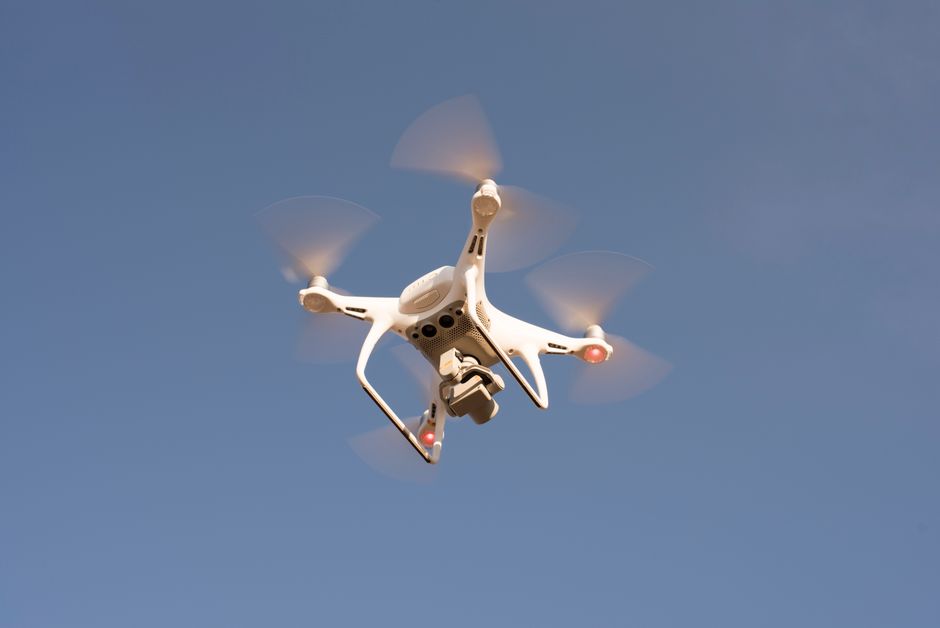
Aerial drone photography involves capturing images and videos from an elevated perspective using unmanned aerial vehicles (UAVs), commonly known as drones. This form of photography has gained immense popularity due to its ability to provide unique angles and views that traditional photography cannot offer. Drones equipped with high-resolution cameras can capture expansive landscapes, intricate architectural designs, and dynamic events from above, creating breathtaking visual narratives.
The technology behind drones has improved significantly over the years. Modern drones are equipped with GPS, stabilization systems, and advanced imaging technology, making them easier to operate and capable of capturing high-quality footage. For instance, a DJI Phantom 4 Pro can shoot 20-megapixel still images and 4K video at 60 frames per second, making it a popular choice among professionals.
Essential Equipment for Aerial Photography
When it comes to aerial drone photography, the choice of equipment plays a crucial role in the quality of the output. The key components include the drone itself, the camera, and additional accessories. Popular drone models for aerial photography include the DJI Mavic series, the Phantom series, and the Autel Robotics EVO series. Each of these drones offers unique features suited for different types of photography.
In addition to the drone, the camera’s specifications are equally important. A camera with a larger sensor size, such as a micro four-thirds or full-frame sensor, will typically yield better image quality compared to smaller sensors. Moreover, lens options and filters can enhance the photography experience by providing versatility in different lighting conditions.
Accessories like ND filters, extra batteries, and remote controllers can further improve the quality of aerial shots. ND filters help to reduce glare and enhance colors during bright daylight, allowing photographers to capture more vivid images.
Techniques in Aerial Drone Photography
Mastering aerial drone photography requires understanding various techniques that can significantly enhance the final images. One fundamental technique is the use of composition rules, such as the rule of thirds and leading lines, which help create visually appealing photographs. By positioning the subject off-center and utilizing natural lines in the landscape, photographers can draw the viewer’s eye and create a sense of depth.
Another essential technique is understanding light conditions. The golden hour, just after sunrise or before sunset, provides soft, warm light that can dramatically enhance the beauty of landscape photographs. Additionally, learning how to adjust camera settings such as ISO, shutter speed, and aperture is crucial for achieving the desired exposure and clarity.
Furthermore, practicing smooth and controlled flight movements can significantly impact the quality of video footage. Techniques such as slow panning and gradual ascents or descents can produce cinematic shots that captivate audiences.
Applications and Use Cases
The applications of aerial drone photography are vast and varied, touching multiple industries. In real estate, for instance, aerial shots can showcase properties from unique angles, helping potential buyers visualize the space better. According to a study by Redfin, homes listed with aerial photography sell 68% faster than those without.
In agriculture, farmers utilize drone technology for crop monitoring and management. Drones can capture images that reveal crop health, irrigation issues, and pest infestations, enabling farmers to make informed decisions that improve yield and reduce costs.
Moreover, aerial drone photography has become a vital tool in disaster management and environmental conservation. Drones can assess damage in disaster-stricken areas, providing crucial data for recovery efforts. In conservation, drones are used to monitor wildlife and track changes in ecosystems, facilitating research and protection efforts.
The Future of Aerial Drone Photography
The future of aerial drone photography is promising, with advancements in technology paving the way for even more innovative uses. The integration of artificial intelligence (AI) in drones is one such advancement, allowing for automated flight paths and enhanced image processing. This technology can enable drones to capture images with minimal human intervention, making aerial photography more accessible.
Furthermore, regulatory developments are shaping the landscape of drone photography. As governments around the world establish clearer guidelines for drone usage, photographers will find it easier to operate within legal frameworks while maintaining safety and privacy standards.
As drone technology continues to evolve, the potential for creative expression in aerial photography will expand, leading to new artistic possibilities and applications.
For anyone interested in exploring the field, resources and workshops on aerial drone photography are widely available, providing essential knowledge and skills for aspiring aerial photographers.
Conclusion
Aerial drone photography is more than just a trend; it represents a significant shift in how we capture and share our world. With the right equipment, techniques, and an understanding of its diverse applications, anyone can harness the power of drones to create stunning visual content. As technology continues to advance, the possibilities within this field are endless, making it an exciting time for photographers and creatives alike.
