
Sheet metal fabrication is a crucial process in various industries, from automotive to aerospace, and even in everyday household items. This article delves into the intricacies of sheet metal fabrication, exploring its techniques, applications, and the innovations shaping its future. Understanding this process not only highlights its importance but also reveals how it can be optimized for efficiency and quality.
Understanding Sheet Metal Fabrication
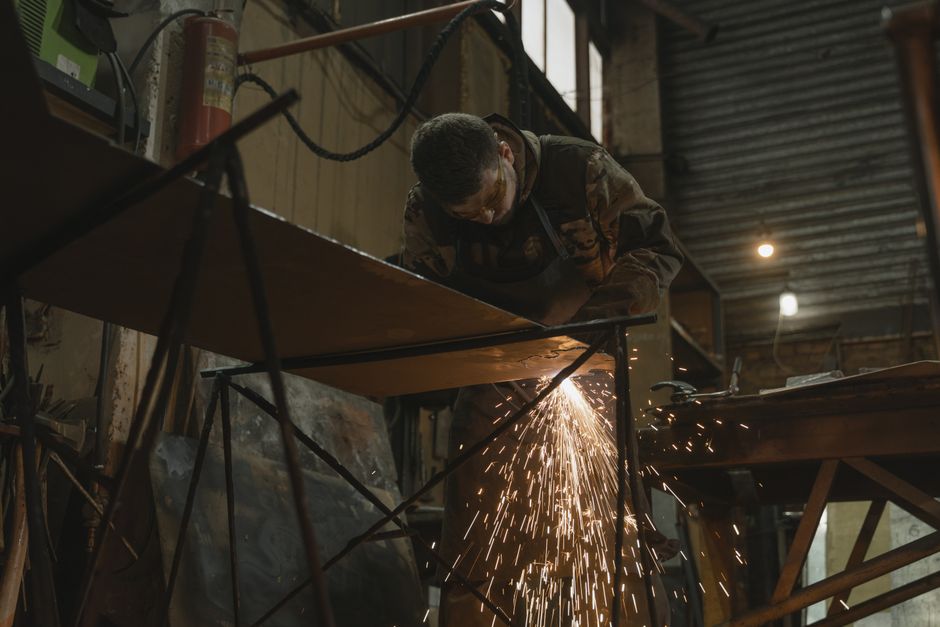
At its core, sheet metal fabrication involves the manipulation of metal sheets to create a variety of structures and components. This process includes several techniques such as cutting, bending, and assembling different metal parts. The materials commonly used in sheet metal fabrication include aluminum, steel, copper, and brass, each offering distinct properties suitable for specific applications.
One of the primary benefits of sheet metal fabrication is its versatility. The process can produce everything from simple brackets to complex enclosures and frameworks. Moreover, advancements in technology have led to the development of CNC (Computer Numerical Control) machines, which enhance precision and reduce waste, ultimately driving down costs.
According to a report by Grand View Research, the global sheet metal fabrication market size was valued at over $20 billion in 2021 and is expected to grow significantly over the next decade. This growth is indicative of the increasing demand for lightweight and durable materials across multiple sectors.
Key Techniques in Sheet Metal Fabrication
Various techniques are employed in sheet metal fabrication, each tailored to achieve specific outcomes. Among these, cutting is one of the most fundamental processes. Techniques such as laser cutting and waterjet cutting enable manufacturers to create intricate designs with high precision. Laser cutting, for example, uses a high-powered laser to melt or vaporize the material, resulting in a clean edge.
Bending is another essential technique that involves deforming the metal sheet along a predetermined line. This process can create angles or curves necessary for the component’s design. The use of press brakes, which apply force to the sheet metal, is common in this phase. The ability to accurately bend metal sheets is vital, as it affects the final product’s fit and function.
Welding and assembly are also critical stages in the fabrication process. These methods involve joining different metal pieces together, ensuring structural integrity. Techniques like MIG (Metal Inert Gas) and TIG (Tungsten Inert Gas) welding are prevalent in this context, offering strong joints that can withstand various stresses.
Applications of Sheet Metal Fabrication
Sheet metal fabrication finds its applications across a vast array of industries. In the automotive sector, it is used to create body panels, frames, and various components that contribute to vehicle safety and performance. The aerospace industry similarly relies on fabricated sheet metal for constructing lightweight yet durable parts that can withstand the rigors of flight.
Moreover, the construction industry employs sheet metal fabrication for roofing, siding, and ductwork. The ability to customize these materials on-site enhances efficiency and ensures that they meet specific architectural requirements. Products like HVAC systems are also often manufactured using sheet metal, underscoring its importance in creating functional and efficient living spaces.
In the consumer goods sector, items such as appliances and electronics frequently incorporate sheet metal components. For instance, the cases of many household appliances are fabricated from sheet metal, providing both protection and aesthetic appeal.
Innovations Shaping the Future of Sheet Metal Fabrication
The future of sheet metal fabrication is being shaped by technological advancements and a growing focus on sustainability. Automation and robotics are increasingly being integrated into fabrication processes, allowing for higher production rates and reduced labor costs. These technologies can also enhance safety by minimizing human involvement in hazardous tasks.
Furthermore, the introduction of smart manufacturing techniques, such as the Internet of Things (IoT), is transforming how sheet metal fabrication facilities operate. By utilizing data analytics and real-time monitoring, manufacturers can optimize their processes, leading to improved efficiency and reduced waste.
Sustainability is another critical trend influencing the industry. As environmental concerns rise, there is a push for more sustainable materials and practices. The recycling of scrap metal and the use of eco-friendly coatings are becoming standard practices in sheet metal fabrication, helping to reduce the industry’s carbon footprint.
Conclusion
Sheet metal fabrication is a vital process that underpins numerous industries and products we encounter daily. Its techniques, applications, and innovations highlight its importance and versatility. As technology continues to evolve, the future of sheet metal fabrication looks promising, with opportunities for increased efficiency, sustainability, and creativity. By understanding the nuances of this process, businesses can leverage its benefits to drive growth and innovation in their respective fields. For those interested in exploring sheet metal fabrication further, resources and expertise are readily available to guide them on their journey.
For more in-depth information, you can explore sheet metal fabrication.
